Budget Self-Cleaning Litter Boxes: A Data Shortlist
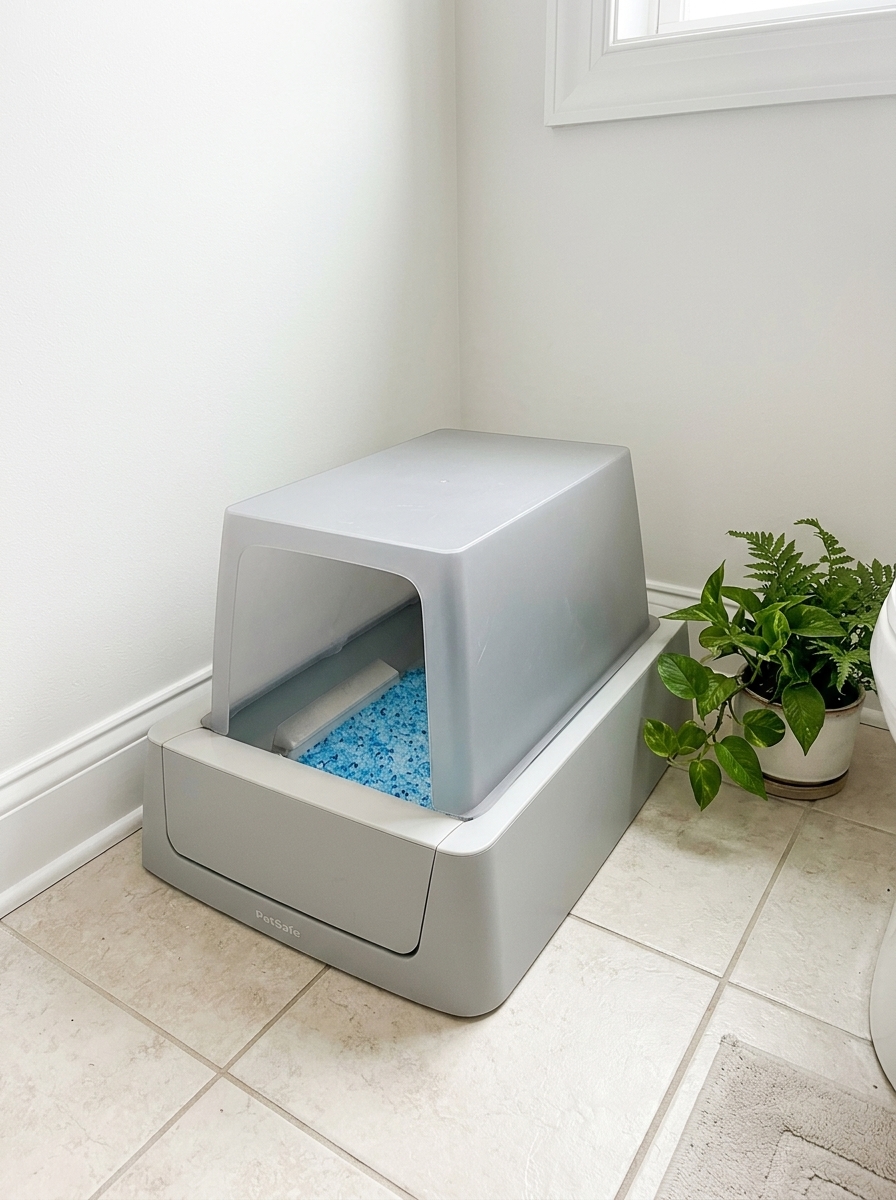
The six lowest tracked purchase prices in the category, $219.99–$359.99. Best score under $300: PetSafe ScoopFree Crystal Smart at 8.4/10.
Lab 01: Pet Tech · Automatic Litter Boxes
Email me when CATLINK Scooper Luxury Pro-X drops to my target price. The confirmation includes a manage link — use it any time to list or remove your alerts at Your price alerts. Lowest price tracked so far: USD 439.00 — a target below that is below the historical low and less likely to be reached.
Affiliate disclosure: AIBuyLab may earn a commission if you buy through links on this page, at no extra cost to you. This guide is based on the specifications and design data published for this product; AIBuyLab has not hands-on tested this unit.
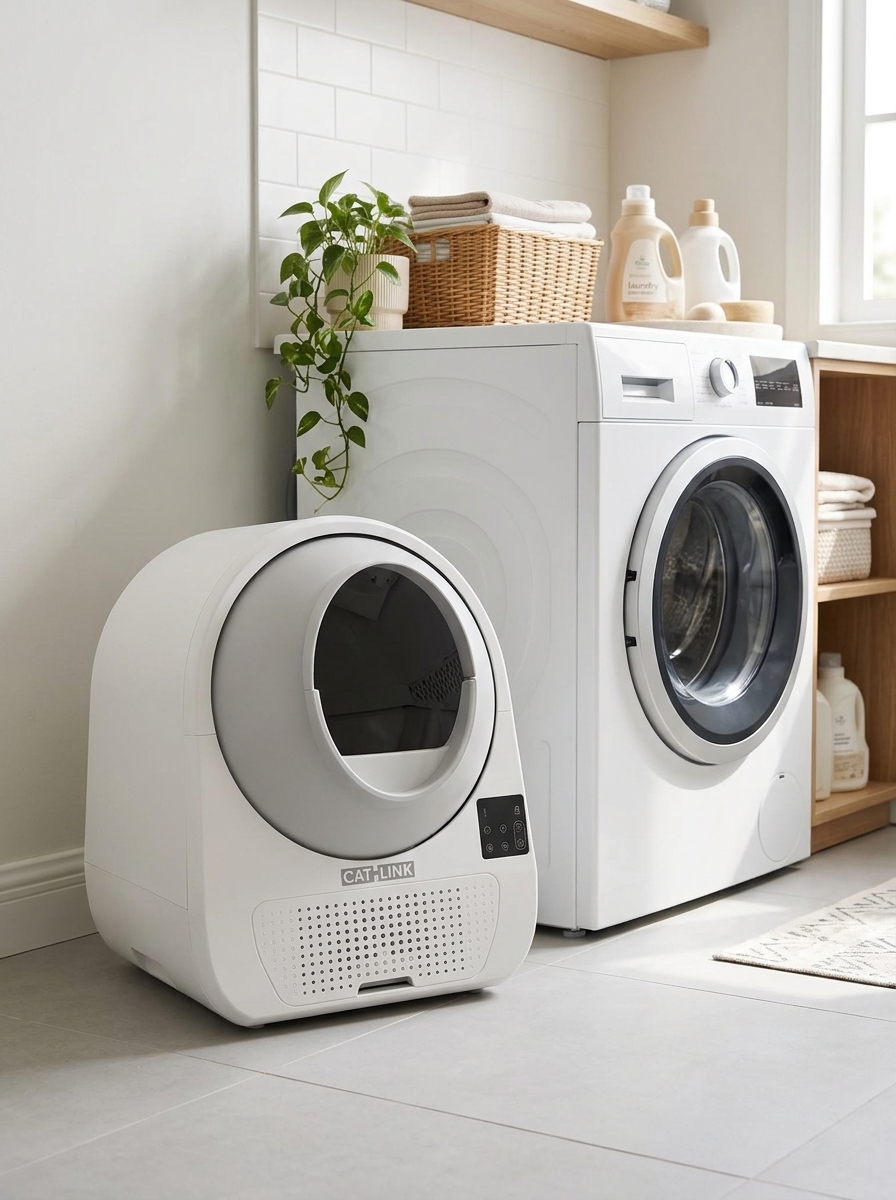
Our pick: CATLINK Scooper Luxury Pro-X — check the current price at the retailer.
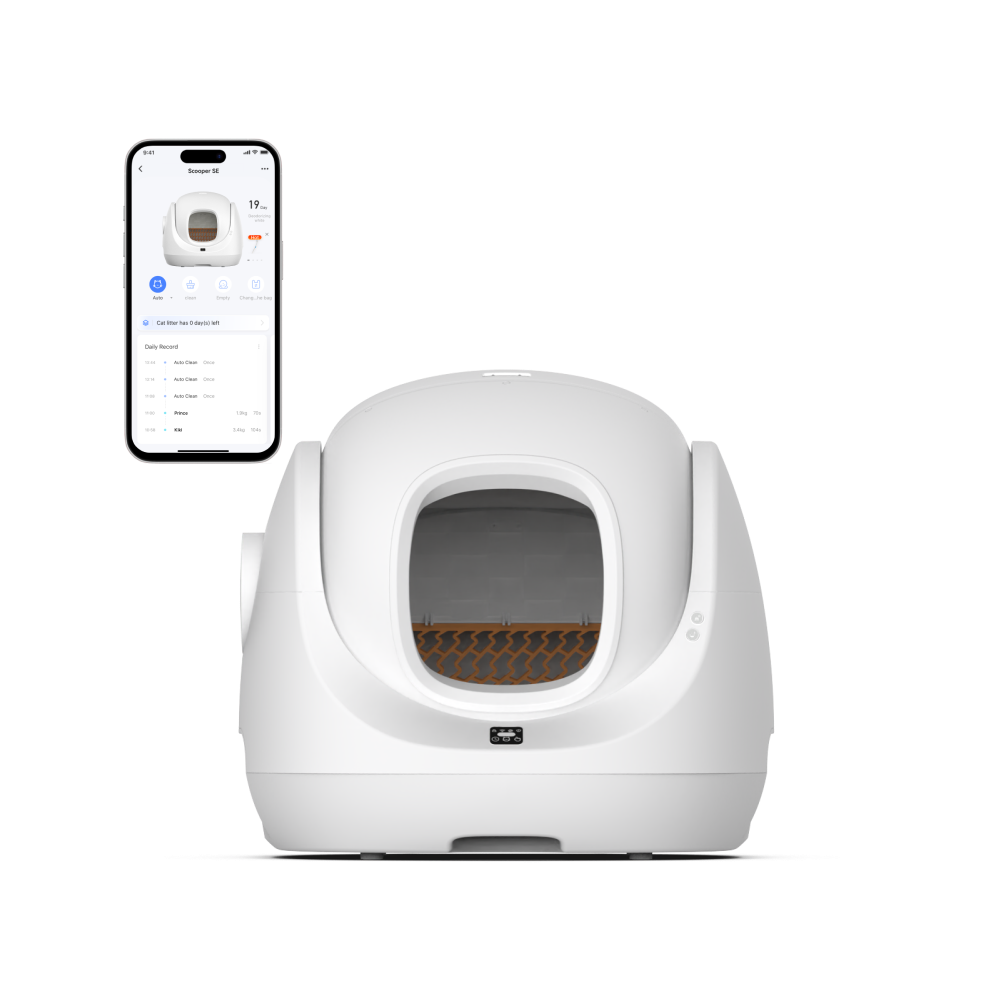
The CATLINK Scooper SE is a self-cleaning litter box that uses a rotating-globe mechanism: after a cat exits, the globe slowly turns, sifting clean clumping litter through a grate while clumps and waste drop into a sealed drawer below. Per the catalog data AIBuyLab tracks, the SE holds 7 L of waste, accepts cats up to 10 kg, has an entry height of 24.0 cm, weighs 11 kg, and connects to an app for cycle monitoring and alerts. It requires no subscription. Its waste capacity is the single number that drives most of its maintenance rhythm — and it is worth comparing against its larger sibling, the CATLINK Scooper Luxury Pro X, which also scores 7.8/10 but carries a 13 L waste bin, nearly double the SE's. Everything below is built around the SE's smaller 7 L drawer.
Maintenance schedules for automatic litter boxes fail when they are copied from a different machine. The SE's drawer holds 7 L, so the honest way to plan emptying is to divide that volume by how much waste a household produces.
AIBuyLab's working estimate — stated as an assumption, not a measurement — is that one cat generates roughly 0.4–0.6 L of clumped waste per day once urine clumps, feces, and the litter coating them are counted. Working from that range:
Household | Estimated waste per day | 7 L bin: days to full | Suggested emptying cadence |
|---|---|---|---|
1 cat | ~0.4–0.6 L | ~12–17 days | Every 10–14 days |
2 cats | ~0.8–1.2 L | ~6–9 days | Every 5–7 days |
3 cats (within the 10 kg per-cat limit, shared box) | ~1.2–1.8 L | ~4–6 days | Twice a week |
Two cautions belong with this table. First, these are capacity-based estimates: a cat that drinks more, eats wet food, or uses a litter that forms bulkier clumps will fill the drawer faster. Second, "full" is not the target. Waste sitting in a drawer for two weeks is an odor and hygiene problem before it is a capacity problem, which is why the suggested cadence stops short of the theoretical maximum. If the app reports the bin level, treat its "full" alert as a backstop, not the schedule — the schedule above should normally fire first.
For contrast, the same math on the Luxury Pro X and its 13 L bin stretches a one-cat cadence to roughly every three weeks. That difference — not features — is the real ownership gap between the two models, and it is why the SE rewards owners who build the emptying habit rather than waiting for alerts.
Cadence | Tasks |
|---|---|
Each bin emptying (every 5–14 days, per household above) | Empty and rinse the waste drawer; wipe the drawer rails; check litter level and top up |
Weekly | Glance-check sensor lenses for dust film; confirm litter sits between the fill lines; spot-wipe the entry rim |
Monthly | Remove and wipe down the globe interior; wash the waste drawer with mild detergent; inspect the sifting grate for stuck clumps |
Quarterly | Full deep clean: globe washed and fully dried before reassembly; base unit vacuumed around the motor housing vents; seals and drawer gasket inspected for warping or odor retention |
The globe is the working surface of the machine. Clumps that dry onto the interior wall get carried through every rotation, and residue builds fastest where urine pools at the litter bed's low point. A monthly wipe-down with a damp cloth — no soaking sprays aimed at seams — keeps the surface releasing clumps cleanly. The sifting grate deserves a look at the same interval: a single clump wedged in the grate means every cycle sifts a little worse than the last, and the motor works harder to compensate. Never run the globe with the grate obstructed.
The SE's entry height is 24.0 cm, and cats track litter across that threshold on every visit. Dust and tracked litter settle exactly where the presence sensors look. A dry microfiber wipe across the sensor lenses weekly prevents the most common nuisance fault on globe-style boxes: a cycle that will not start, or that pauses mid-rotation, because the sensor reads a dusty lens as a cat still present. Keep the floor in front of the entry swept for the same reason — tracked litter under an 11 kg machine also rocks it slightly on its base, which sensors can interpret as movement.
The catalog lists the SE as clumping-only, and that is a hard constraint, not a preference. Rotating-globe sifting depends on waste forming firm clumps that survive the turn; crystal, pellet, and tofu litters either pass through the grate unsifted or crumble into the clean supply. Within clumping litters, keep the bed at the marked fill level: too little litter and urine reaches the globe floor and bakes on; too much and clean litter spills into the waste drawer with every cycle, filling your 7 L faster and wasting litter. Top up at each bin emptying rather than refilling on a calendar.
Wash the drawer monthly, not just when it smells. Odor bonds to plastic over time, and a drawer that is only ever emptied — never washed — eventually perfumes every cycle. Mild detergent and a full dry before the liner or bag goes back in are enough. Inspect the drawer seal quarterly: a warped seal on a 7 L drawer that you are stretching to its cadence limit is the difference between contained odor and a room that smells like the box is open.
Where to buy: CATLINK Scooper Luxury Pro-X · CATLINK Scooper SE — retailer links run through our /go/ tracker; the product pages track prices daily.
How often should I empty the CATLINK Scooper SE for one cat? Plan on every 10–14 days. That cadence comes from dividing the 7 L bin by an estimated 0.4–0.6 L of clumped waste per day, then stopping short of completely full for hygiene reasons. It is a capacity-based estimate, not a measured interval.
Can I use crystal or pellet litter in the Scooper SE? No. The catalog specifies clumping litter only. The rotating-globe sift depends on firm clumps; crystal, pellet, and other non-clumping litters will not sift correctly and will foul the globe.
Is this schedule from CATLINK's manual? No. These intervals are AIBuyLab guidance derived from the machine's published capacity (7 L waste bin) and its rotating-globe mechanism type. Where our guidance and the manufacturer's instructions differ, follow the manufacturer.
How does the SE's upkeep compare with the Luxury Pro X? The tasks are the same; the rhythm is not. The Scooper SE has a 7 L bin against the Pro X's 13 L, so the SE's drawer needs emptying roughly twice as often for the same household, even though both models score 7.8/10 in our catalog.
Does the SE need a subscription for its app features? No. The catalog lists the SE as requiring no subscription; app control is included.
What is the single most-skipped maintenance task? The quarterly deep clean with full drying. Owners reliably empty the drawer — it announces itself — but the globe interior and drawer seal quietly accumulate residue and odor until both become much harder to reverse.
Last updated: November 27, 2026
November 27, 2026 — Added retailer buying links (Our pick and Where to buy) for the products covered in this article.
The six lowest tracked purchase prices in the category, $219.99–$359.99. Best score under $300: PetSafe ScoopFree Crystal Smart at 8.4/10.
The six lightest tracked boxes by published unit weight (5–10.35 kg) — a stated proxy, because makers do not publish footprints consistently. Lightest: ChillX AutoEgg.
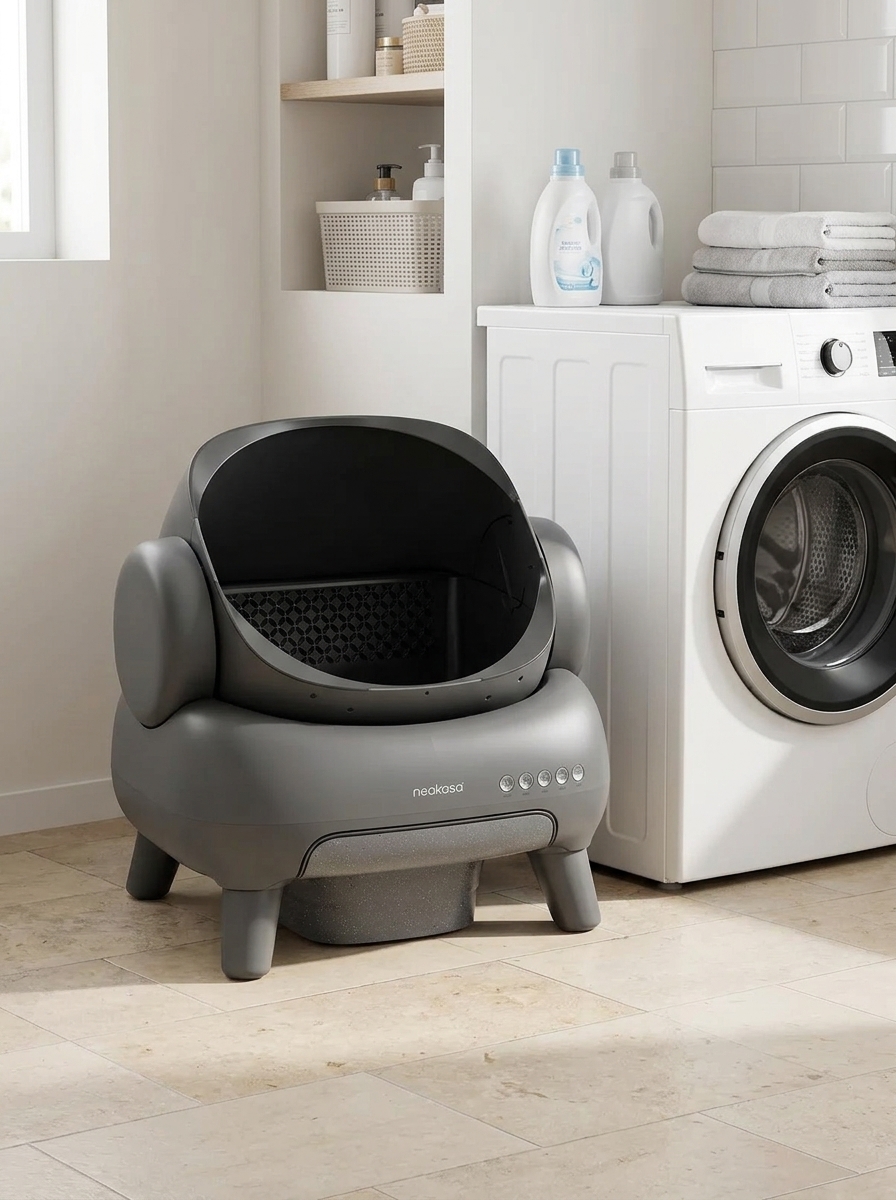
8 boxes meet the multi-cat rule (maker-rated for 2+ cats, or a waste drawer of 10 L+ where no rating is published), ranked by Score v1.0. Top: Neakasa M1 at 8.5/10.
PETKIT PuraMax 2 by the numbers: Score v1.0 6.7/10 (#9 of 16 in its category), owner rating 4.20/5 from 2,729 reviews, tracked from $380.99.
Discussion
No comments yet