Budget Self-Cleaning Litter Boxes: A Data Shortlist
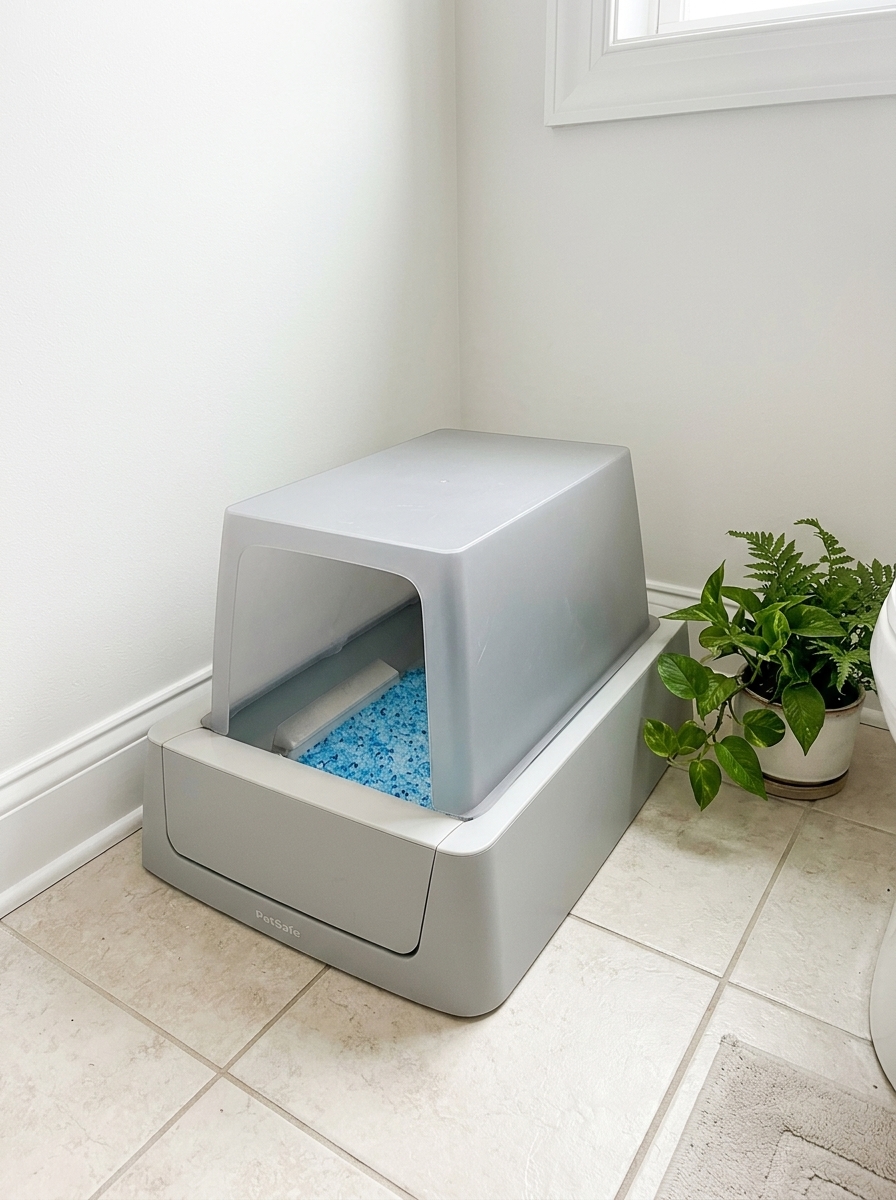
The six lowest tracked purchase prices in the category, $219.99–$359.99. Best score under $300: PetSafe ScoopFree Crystal Smart at 8.4/10.
Lab 01: Pet Tech · Automatic Litter Boxes
Email me when CATLINK Scooper Young Pro-X drops to my target price. The confirmation includes a manage link — use it any time to list or remove your alerts at Your price alerts. Lowest price tracked so far: USD 449.99 — a target below that is below the historical low and less likely to be reached.
Disclosure: This guide is based on the published specifications in our catalog and general litter-box care principles. We did not hands-on test this unit. Every interval below is AIBuyLab guidance derived from the Scooper Young Pro-X's rated capacities — it is not a manufacturer instruction, and it does not replace CATLINK's own manual.
Our pick: CATLINK Scooper Young Pro-X — check the current price at the retailer.
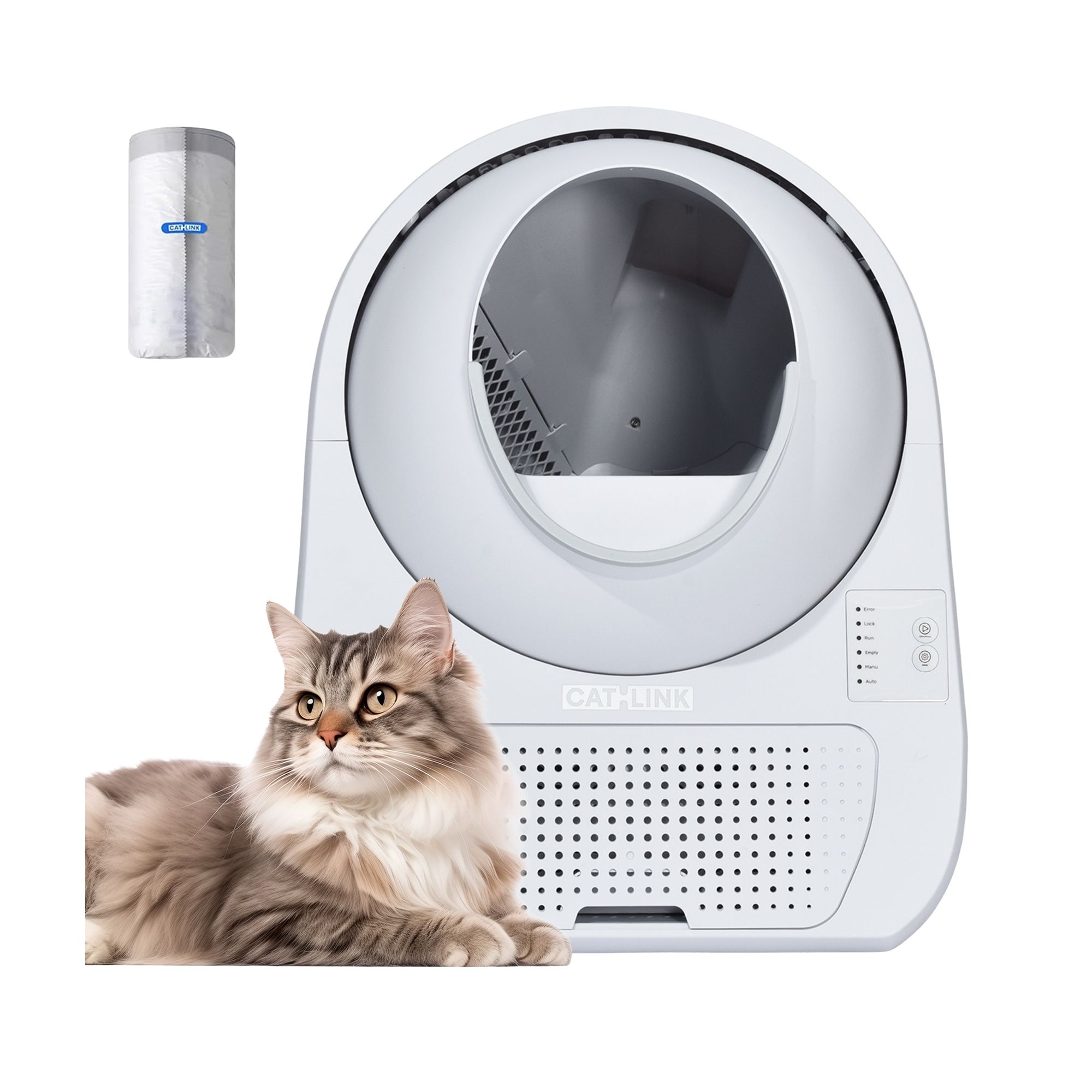
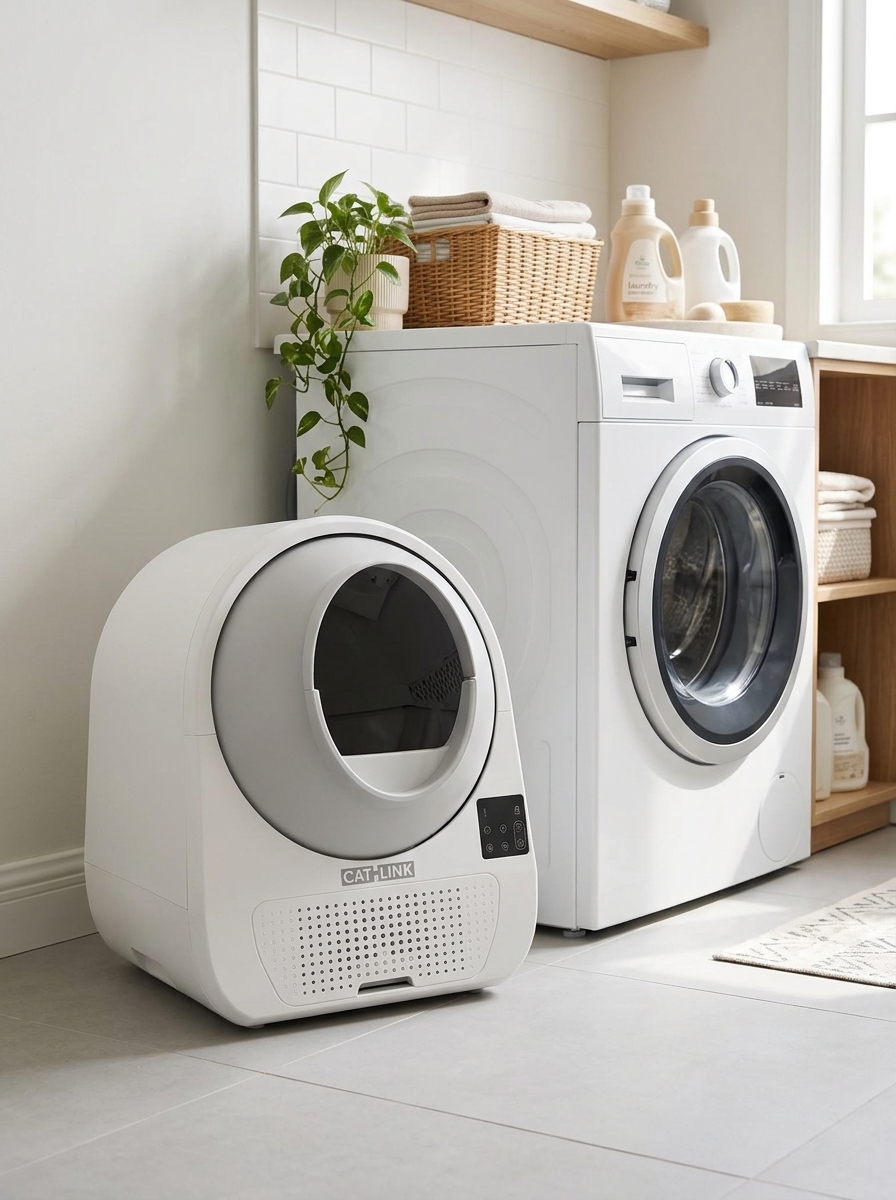
The Scooper Young Pro-X is a self-cleaning litter box in the rotating-globe class: after a cat leaves, the globe rotates, sifts clumps out of the litter bed, and drops them into a sealed waste bin below. In our catalog it carries a Score v1.0 rating of 5.6, a 13 L waste capacity, support for cats up to 10 kg, and a clumping-litter-only requirement. The unit itself weighs 11.79 kg, comes with a 1-year warranty, and requires no subscription.
Two of those facts shape everything about maintaining it. The first is the 13 L bin: most rotating-globe boxes in our catalog hold noticeably less waste, so the Young Pro-X can go longer between emptying runs than almost anything else we track. The second is what it lacks — app control. The sibling CATLINK Scooper SE (Score 7.5 in our catalog) offers app control; the Young Pro-X does not. There is no phone notification when the bin fills, no usage log nudging you to check. The maintenance discipline has to live in your routine instead.
How long a 13 L bin lasts depends on how many cats use it and how much waste each cat produces. The estimates below assume typical clumping-litter waste volumes per cat per day and a bin filled to a practical level — not packed to the brim, because overfilled bins smear waste across the globe opening and make the eventual emptying worse. Treat these as planning estimates, not promises:
Cats using the box | Estimated emptying interval (13 L bin) | Practical schedule |
|---|---|---|
1 cat | ~10–14 days | Every second weekend |
2 cats | ~5–7 days | Once a week, same day |
3 cats | ~3–5 days | Twice a week |
4 cats | ~2–3 days | Every other day |
Two caveats matter more than the numbers. First, the Young Pro-X is rated for cats up to 10 kg each — larger cats produce more waste, so if your cats are near that limit, shorten the interval by a day or two. Second, these intervals describe when the bin fills, not when you should empty it. In warm rooms or humid climates, empty one step earlier than the table suggests; sealed waste still ferments, and the bin's lid is a gasket, not a vacuum seal.
The honest framing: the 13 L bin buys you the longest emptying intervals in our catalog, but it converts a daily chore into a forgettable one. That is the whole maintenance risk of this model.
Because there is no app, anchor every task to a day of the week rather than to a sensation. Smell is a lagging indicator; a calendar is not.
Task | Why it matters on this model |
|---|---|
Empty the waste bin (or check level against your cadence above) | The bin is the odor reservoir; a fixed day prevents drift |
Top up litter to the fill line | Rotating globes sift best at a consistent bed depth; low litter means clumps stick to the globe floor |
Wipe the globe opening and waste chute rim | Waste residue accumulates exactly where clumps pass through; this is the first odor source |
Check the bin lid seal for litter grit | Grit on the gasket breaks the seal and lets odor escape continuously |
Task | Why it matters on this model |
|---|---|
Full litter replacement and globe wash | Clumping litter degrades; fine dust coats the globe interior and dulls sifting over time |
Inspect the globe's interior surface for scratches and buildup | Residue films become permanent odor anchors if left for multiple cycles |
Vacuum or wipe the base and sensor area | Dust and tracked litter collect under and around an 11.79 kg unit that rarely gets moved |
Check the power cord and placement clearance | A heavy, stationary unit tends to get pushed against walls; the globe needs its rotation clearance |
Notice what is not on these lists: anything app-related. Owners of the app-connected Scooper SE get nudged by notifications; Young Pro-X owners get nudged by Tuesday. Pick your day, put it in your phone's calendar as a recurring event if you need to, and the no-app gap mostly disappears.
The globe. The rotating globe is the part that touches waste most, so it sets the hygiene ceiling for the whole machine. A weekly wipe of the opening and chute handles the contact zone; the monthly wash handles the rest. Because this model is clumping-litter-only, using a non-clumping litter is not a harmless experiment — unsifted waste coats the globe and turns a wipe-down into a scrub-down. Stay with clumping litter, as the catalog spec requires.
The waste bin and seal. Thirteen liters of capacity only helps if the seal works. Every time you empty the bin, run a finger along the lid gasket and clear any grit. A single clump fragment caught in the seal can vent odor for days while the bin is nearly empty — the most common reason owners conclude a big-bin box "still smells."
The litter bed. Sifting systems are depth-sensitive. Too little litter and clumps reach the globe floor before they firm up; too much and the excess sifts straight into the waste bin, burning the capacity you paid for. Top up small amounts weekly rather than refilling in big batches monthly.
Sensors and the base. We do not have a published sensor specification for this model in our catalog, so the practical guidance is generic: keep the entry area and base free of tracked litter, and if cycles start behaving erratically, a clean-and-restart is the first step before assuming a fault — your 1-year warranty is the backstop, not the first resort.
The Scooper Young Pro-X trades connectivity for capacity. Its 13 L bin delivers the longest emptying intervals in our catalog, but with no app control, the owner has to supply the discipline the software would otherwise provide. A fixed weekly rhythm — empty or check, top up, wipe, seal check — plus a monthly deep clean keeps this box at its best. If you know you will not keep a calendar habit, an app-connected sibling like the CATLINK Scooper SE exists for a reason. If you will, the Young Pro-X asks less often than almost anything else we track.
Where to buy: CATLINK Scooper Young Pro-X · CATLINK Scooper SE — retailer links run through our /go/ tracker; the product pages track prices daily.
How often do I really need to empty the 13 L bin? For one cat, our capacity estimate is roughly every 10–14 days; two cats bring that to about weekly. These are AIBuyLab estimates from the rated 13 L capacity, not manufacturer figures — warm rooms and large cats shorten them.
Does the Scooper Young Pro-X send any reminders? No. It has no app control, so there are no fill alerts or notifications. A recurring calendar event on your phone is the practical substitute.
Can I use non-clumping litter to reduce maintenance? No — our catalog lists this model as clumping-litter-only. Non-clumping litter will not sift correctly in the rotating globe and will increase cleaning work, not reduce it.
Is a bigger bin always better for odor? Not by itself. A 13 L bin holds more waste, but odor control depends on the lid seal staying clean and the globe opening being wiped weekly. A neglected big bin smells worse than a maintained small one.
What is covered if something fails? The unit carries a 1-year warranty per our catalog. Keep your proof of purchase, and try the clean-and-restart basics first — residue and seal grit cause more "faults" than failed parts.
How does it compare to the CATLINK Scooper SE? The SE (Score 7.5 in our catalog) adds app control, which means reminders and monitoring the Young Pro-X (Score 5.6) does not offer. The Young Pro-X's counter-argument is its 13 L waste capacity and the longest emptying intervals we track.
Last updated: November 27, 2026
November 27, 2026 — Added retailer buying links (Our pick and Where to buy) for the products covered in this article.
The six lowest tracked purchase prices in the category, $219.99–$359.99. Best score under $300: PetSafe ScoopFree Crystal Smart at 8.4/10.
The six lightest tracked boxes by published unit weight (5–10.35 kg) — a stated proxy, because makers do not publish footprints consistently. Lightest: ChillX AutoEgg.
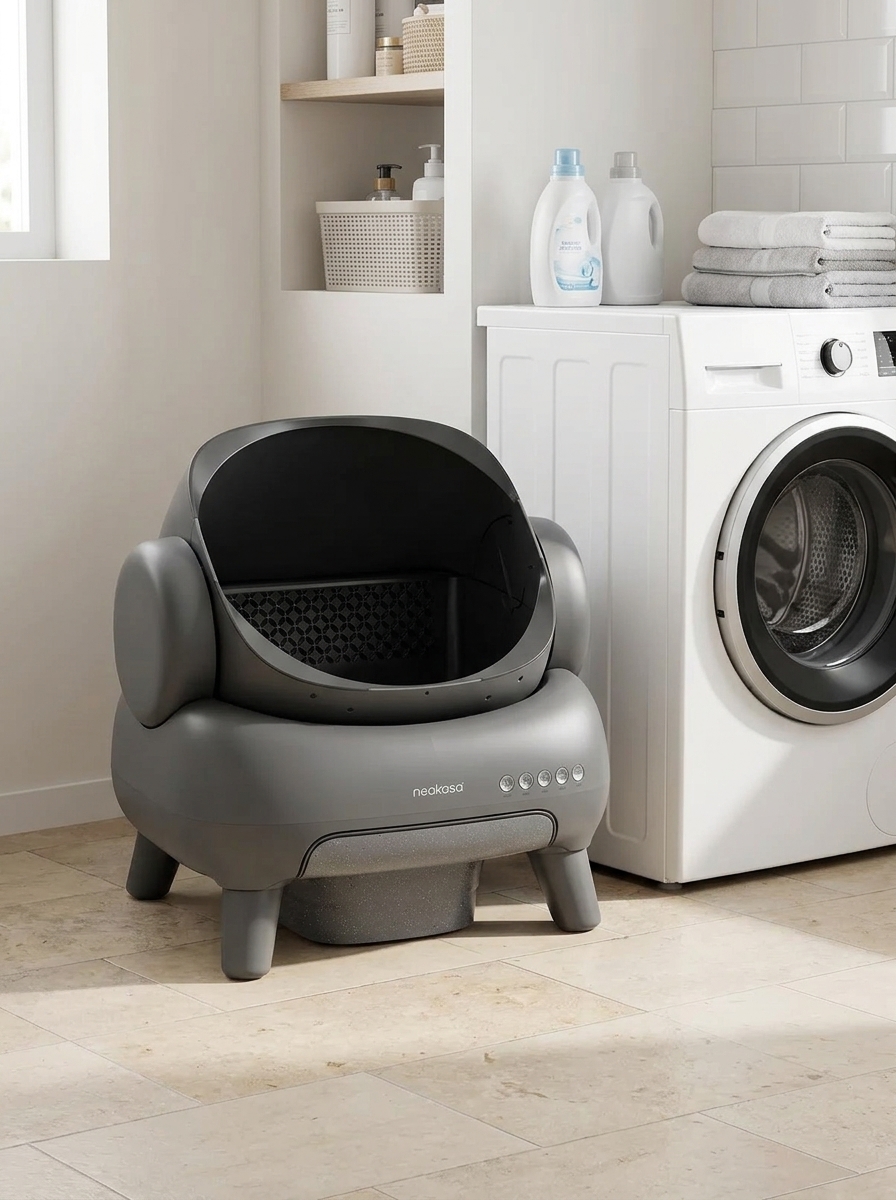
8 boxes meet the multi-cat rule (maker-rated for 2+ cats, or a waste drawer of 10 L+ where no rating is published), ranked by Score v1.0. Top: Neakasa M1 at 8.5/10.
PETKIT PuraMax 2 by the numbers: Score v1.0 6.7/10 (#9 of 16 in its category), owner rating 4.20/5 from 2,729 reviews, tracked from $380.99.
Discussion
No comments yet