
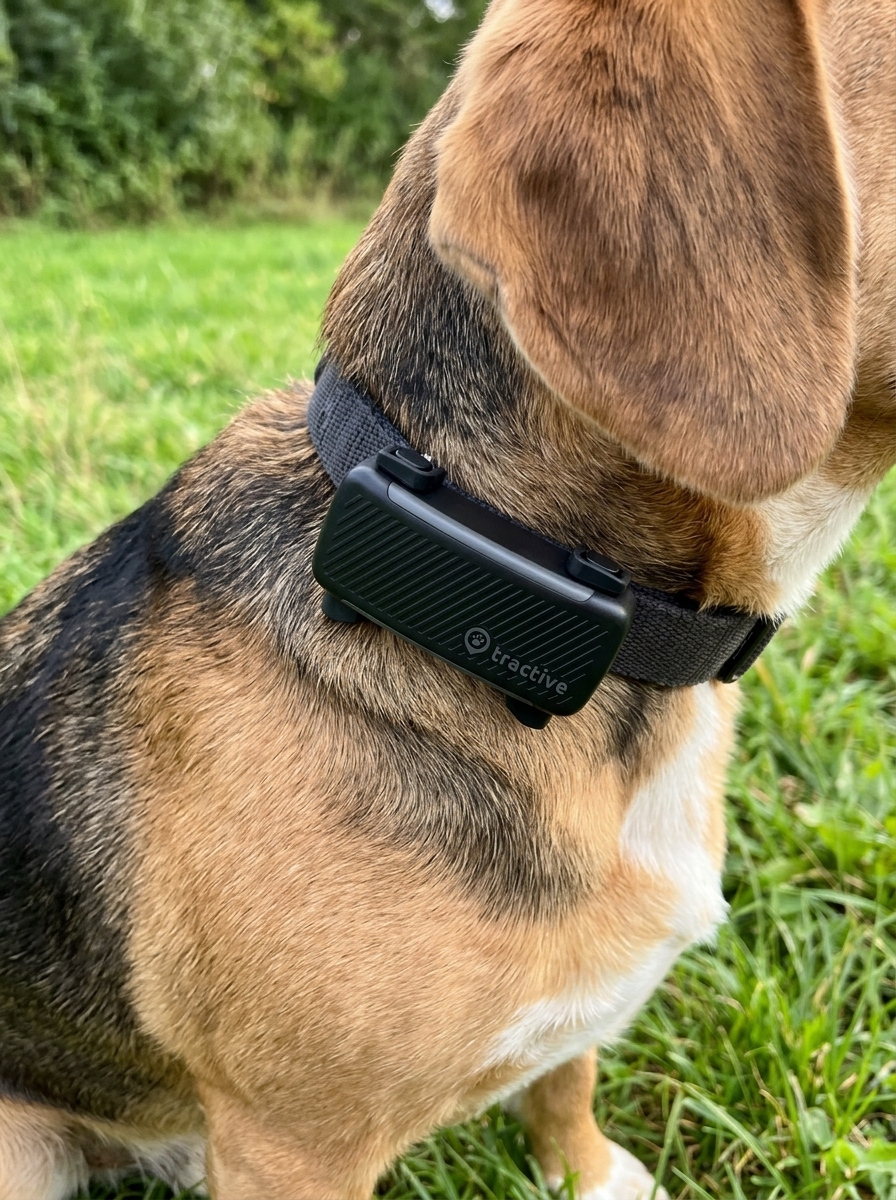
Tractive GPS Tracker for Dogs (DOG 6) by the Numbers: A Data Profile
Tractive GPS Tracker for Dogs (DOG 6) by the numbers: Score v1.0 7.3/10 (#3 of 15 in its category), owner rating 4.10/5 from 116 reviews, tracked from $48.30.
Lab 01: Pet Tech · GPS Trackers for Dogs
Email me when Tile Mate (2024) drops to my target price. The confirmation includes a manage link — use it any time to list or remove your alerts at Your price alerts. Lowest price tracked so far: USD 17.99 — a target below that is below the historical low and less likely to be reached.
Affiliate disclosure: AIBuyLab may earn a commission if you buy through links on this page, at no extra cost to you. This guide is desk research built from catalog specifications and tracked pricing data — we did not hands-on test these trackers.
Our pick: Tile Mate (2024) — check the current price at the retailer.
A true GPS dog tracker is a collar-mounted device that fixes its own position from GPS satellites and sends that position to your phone over the cellular network. Because it carries a cellular radio, it works anywhere there is mobile coverage — fields, woods, the next town — and it almost always requires a subscription to pay for that connection.
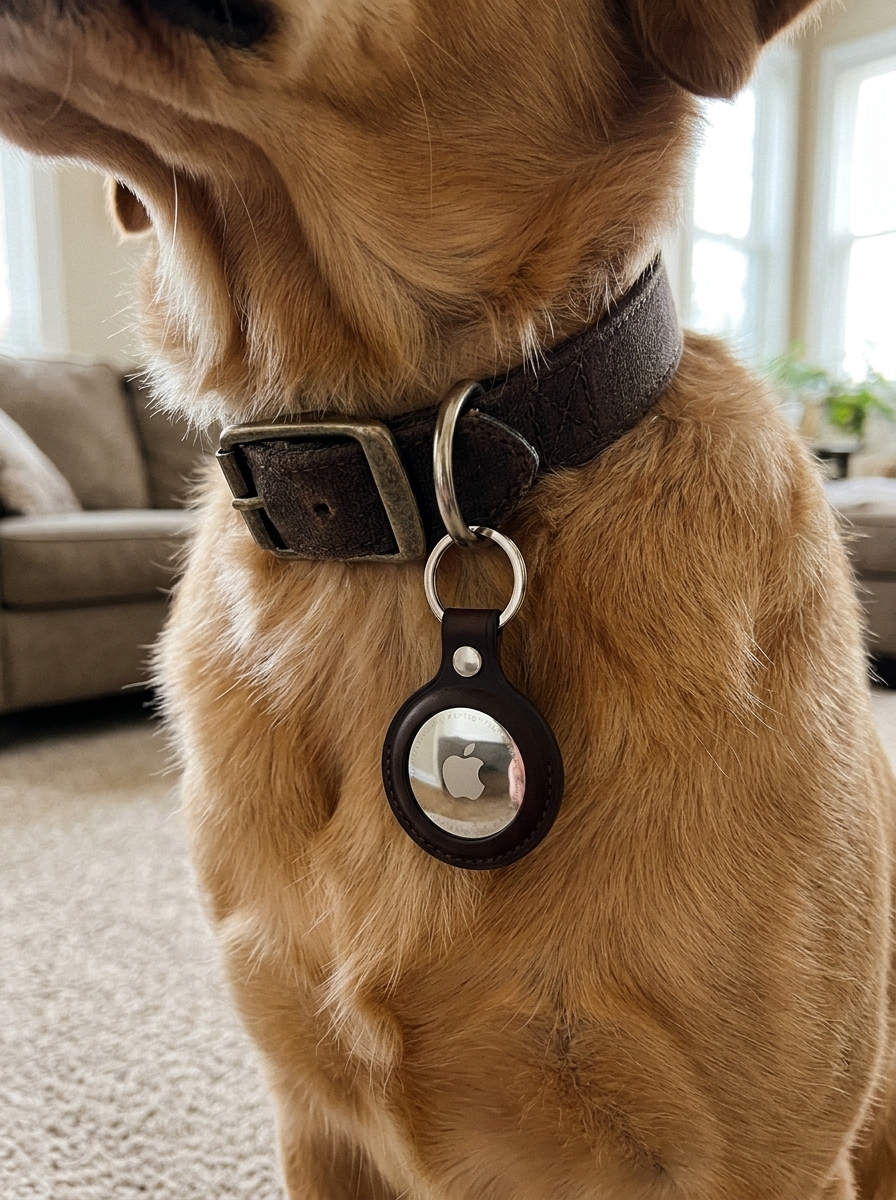
A Bluetooth tag is a different product wearing similar marketing. It has no GPS and no cellular radio. It simply whispers a Bluetooth signal; when someone's phone (yours, or a stranger's running the same network) passes within range, that phone reports the tag's location. In a dense city this can work surprisingly well. On a rural trail with nobody around, it reports nothing until somebody walks past.
Confusing the two is the single most common first-tracker mistake, and it is the mistake this checklist is ordered to prevent.
Everything follows from one question: when your dog gets out, where does he go?
Buy for the worst realistic scenario, not the average day. A tracker that works 90% of the time fails on precisely the day it matters.
Every true GPS tracker in our catalog carries a tracked subscription of about $5/month, and it is not optional — no subscription, no cellular connection, no live tracking. Run the honest arithmetic:
So a GPS tracker is never just its shelf price; it is shelf price plus roughly $60 a year, indefinitely. That is not an argument against GPS — for a runner, it is simply the price of the capability. But a first-time buyer who budgets only for the hardware is budgeting wrong.
A tracker the dog can't comfortably wear is a tracker left at home.
Battery life is where the two technologies diverge hardest:
None of these numbers is "bad," but they demand different owners. A GPS tracker with a flat battery is a plastic ornament. If you know a weekly charge will slip, the Dog 6's two-week rhythm — or the XL's six weeks, if your dog is big enough — is the more honest buy than the Mini's seven days.
Finding a dog after he escapes is one job; being told the moment he leaves is another. Virtual-fence (safe zone) alerts are a GPS-only feature in this group:
If your scenario is "he's out the gate twice a month and I need my phone to buzz immediately," that requirement alone ends the Bluetooth debate.
Tracker | Type | Score v1.0 | Battery | Weight | Min pet | Subscription | Virtual fence |
|---|---|---|---|---|---|---|---|
Bluetooth tag | 9.7 | ~1,095 days | 8 g | — | None | No | |
Bluetooth tag | 9.1 | ~365 days | 11 g | — | None | No | |
GPS + cellular | 7.3 | 14 days | 39 g | 4 kg | ~$5/mo | Yes | |
GPS + cellular | 6.4 | 42 days | 71 g | 20 kg | ~$5/mo | Yes | |
GPS + cellular | 6.3 | 7 days | 25 g | 3 kg | ~$5/mo | Yes |
Read the table again: the two products that are not GPS at all hold the two highest scores. That is not an error; it is the model working as designed. Score v1.0 weighs the whole ownership picture — purchase and running cost, battery burden, simplicity, size — and on those axes a $0/month tag with a three-year battery is genuinely excellent value for the jobs it can do.
But the score cannot know your dog. The model's ranking assumes the jobs are comparable, and for one specific buyer they are not: if your dog runs into open country, the Bluetooth tags' effective tracking capability in that scenario is zero, and no amount of battery life or cost advantage compensates. For a true escape-risk dog, override the ranking and buy GPS. For a neighborhood wanderer, the ranking is right — pocket the savings.
Where to buy: Tile Mate (2024) · Apple AirTag · Tractive GPS Tracker for Dogs (DOG 6) — retailer links run through our /go/ tracker; the product pages track prices daily.
Is an AirTag a GPS tracker for dogs? No. The AirTag has no GPS; it relies on Apple's Find My network of nearby devices to report its position. It also carries anti-stalking features designed for item tracking, which makes it an unsupported and sometimes noisy choice for pets.
Why does every real GPS dog tracker need a subscription? Because the tracker sends its position over the cellular network, and that connection costs money every month whether you check the app or not. In our catalog the tracked figure is about $5/month — roughly $180 across three years.
How accurate is the "live tracking every 2 seconds" claim? The Tractive models in this guide sit in the 2-second live-update class, meaning positions refresh about every two seconds while live mode is active. That fast cadence draws the battery down quicker than the standard tracking mode behind the 7–42 day battery figures.
Can a small dog wear the Tractive Dog XL for its longer battery? No. The XL is rated for dogs from 20 kg and weighs 71 g. For smaller animals use the Dog 6 (from 4 kg) or the Cat Mini (from 3 kg) and accept the shorter charge interval.
Which tracker needs the least maintenance overall? The Tile Mate: roughly three years of battery and no subscription to manage. That is exactly why it tops Score v1.0 — just remember it only works where its Bluetooth crowd network can hear it.
Last updated: November 27, 2026
November 27, 2026 — Added retailer buying links (Our pick and Where to buy) for the products covered in this article.
| Product | Score | Price | Owner rating | 3-yr cost | Battery life (typical use) | Virtual fence / escape alerts | Device weight |
|---|---|---|---|---|---|---|---|
| Tractive GPS Tracker for Dogs (DOG 6) | 7.8 / 10 | $48.30 | 4.1/5 (n=116) | $228.30 | 14 days | Yes | 39 g |
Selection rule and scoring: our methodology. Every product that meets the stated rule is shown — the table is rebuilt from the catalog each time this page loads.
Tractive GPS Tracker for Dogs (DOG 6) by the numbers: Score v1.0 7.3/10 (#3 of 15 in its category), owner rating 4.10/5 from 116 reviews, tracked from $48.30.
Of 15 tracked GPS trackers, 10 require a subscription ($5.00–$16.50/mo). Cheapest first year for true cellular GPS: Tractive GPS Tracker for Dogs (DOG 6) at $108.30. 3 models skip the subscription at a higher upfront price; 2 are Bluetooth tags, not GPS.
As of 2026-11-27, this ranking covers pet-worn GPS trackers only: 12 models from 9 brands, scored with Score v1.0 from owner ratings, spec strength and three-year ownership cost. Bluetooth item finders (Tile Mate, Apple AirTag) and the Cube GPS tracker are not pet trackers — they live in their own Item Trackers category and never rank here.
Both trackers score an identical 6.3 in our catalog (Score v1.0), and that tie is almost meaningless — they are built for different animals, different terrain, and different owners. - The [Tractiv
Discussion
No comments yet