Price alerts — PetSafe Drinkwell Seascape Pet Fountain
Price-drop alert
Email me when PetSafe Drinkwell Seascape Pet Fountain drops to my target price. The confirmation includes a manage link — use it any time to list or remove your alerts at Your price alerts. Lowest price tracked so far: USD 95.99 — a target below that is below the historical low and less likely to be reached.
Affiliate disclosure: AIBuyLab may earn a commission when you buy through links on this page, at no extra cost to you. This guide is desk research based on our product catalog and published manufacturer specifications — we did not hands-on test this fountain, and every cadence below is a planning estimate derived from its capacity and filtration class, not a measured interval.
TL;DR
The PetSafe Drinkwell Seascape (Score 5.4/10 in our catalog) is a ceramic fountain with a 2.07 L capacity, multi-stage filtration, a corded pump, and no app control.
Ceramic is the whole maintenance story: it weighs 2.36 kg before you add water, so every weekly wash starts with the heaviest carry in our fountain catalog.
The working rhythm: top up daily, wash weekly, swap filters on a counted cadence — all planning estimates, because with no app, no sensor, and no reminder light, your calendar is the reminder system.
Treat the glaze gently (non-abrasive cleaning as general ceramic care) and check the manual for this model's dishwasher guidance instead of assuming — we don't assert it either way.
The Drinkwell Seascape is a corded, pump-driven pet water fountain with a ceramic body, a 2.07 L reservoir, and multi-stage filtration. In our catalog it sits in the middle of the pack at Score 5.4/10 — not the highest-scoring fountain we track, and not trying to be. What sets it apart is the material. Most fountains in this class are plastic or stainless steel; the Seascape is glazed ceramic, which owners typically choose for looks, stability on the floor, and a bowl surface that doesn't hold odors the way scratched plastic can.
That material choice quietly rewrites the maintenance contract. A plastic fountain is a featherweight you rinse without thinking. The Seascape, at 2.36 kg dry, is a piece of pottery you carry with two hands — and once it's full of 2.07 L of water, the all-up weight is well past 4 kg. Every task in the schedule below is shaped by that number and by one absence: there is no app. Nothing will ping you when the filter is due. The schedule has to live somewhere, and that somewhere is your own calendar.
The maintenance schedule
Every interval below is a planning estimate built from the Seascape's 2.07 L capacity and its multi-stage filtration class. A single cat drinking from a 2.07 L reservoir will pull the level down slowly; two cats or a small dog will pull it down much faster. Treat the counts as a starting framework and adjust to what you actually see in the bowl.
Task
Cadence (planning estimate)
Why this interval
Check water level and top up
Daily
A 2.07 L reservoir is mid-sized; daily top-ups keep the pump submerged and the waterline above the intake
Wipe the drinking surface and rim
Every 2–3 days
Biofilm starts on the surfaces pets touch first; a quick wipe stretches the time between full washes
Full wash: empty, clean bowl, pump housing, and cord pass-through
Weekly
Multi-stage filtration slows debris buildup in the water, not on the parts; weekly is the standard working rhythm for this class
Rinse or replace the foam/pre-filter stage
Every 2–4 weeks (count-based)
The first stage catches hair and kibble dust; it clogs first and throttles flow when ignored
Replace the main filter stage
Every 4–8 weeks (count-based)
Multi-stage systems stagger their stages; track swaps by count on a calendar, not by taste or guesswork
Descale and inspect the pump
Every 1–3 months
Hard water leaves mineral crust on impellers; a corded pump that runs dry or crusted is the most common fountain failure mode
Inspect the ceramic glaze and body for chips or crazing
At every full wash
A chip in the glaze is both a hygiene problem (a rough spot that holds residue) and a structural warning
Two habits make this schedule self-running. First, anchor the weekly wash to an existing routine — trash day, laundry day, the weekly shop — because the fountain itself will never remind you. Second, keep a simple count: a note on the fridge or a recurring calendar entry that says "filter swap #3" is worth more than any estimate in this table. In a no-app fountain, the count is the tracking system.
Ceramic care: the part that's different
Cleaning a ceramic fountain is not harder than cleaning a plastic one, but the failure modes are different, and they are mostly about the glaze.
Lift it like pottery, because it is. At 2.36 kg empty and over 4 kg full, the Seascape is the heaviest carry in our fountain catalog. The practical move is to empty most of the water where the fountain sits — bail it out with a cup or carry it the short distance to the sink with two hands and a dry grip. Wet ceramic is slippery ceramic, and a dropped fountain is not a maintenance event, it's a replacement event. This is also a genuine comparison point: the PetSafe Drinkwell Platinum, from the same brand family, is a plastic design with a much larger reservoir, and its wash-day carry is a different physical proposition entirely. If lifting weight is a constraint in your household, that difference belongs in the buying decision, not just the cleaning decision.
Be glaze-safe by default. As general ceramic care guidance: use non-abrasive sponges and soft cloths on glazed surfaces, and avoid scouring pads and gritty powders, which can dull or micro-scratch a glaze over time. A scratched glaze loses the very quality that made ceramic attractive — a smooth, sealed surface that wipes clean. Mild dish soap and warm water handle routine washing; a diluted white-vinegar soak is the common household approach for mineral deposits on the non-glazed parts and pump components.
Don't assume the dishwasher. Whether a given ceramic fountain model is dishwasher-safe is a manufacturer specification, and it varies. We are not going to assert it for the Seascape either way. Check the manual for this specific model's guidance before the first wash day, and if the manual is silent, hand-washing is the conservative default for a glazed piece you want to keep intact. The same caution applies to thermal shock: as general ceramic care, avoid moving a cold ceramic bowl straight into very hot water.
Chips end the conversation. Inspect the rim and drinking surface at each full wash. A chip or crack in the glaze exposes the porous ceramic beneath, which can hold residue that washing won't fully clear, and a crack can propagate. A chipped fountain should be retired, not scrubbed harder.
Living without reminders
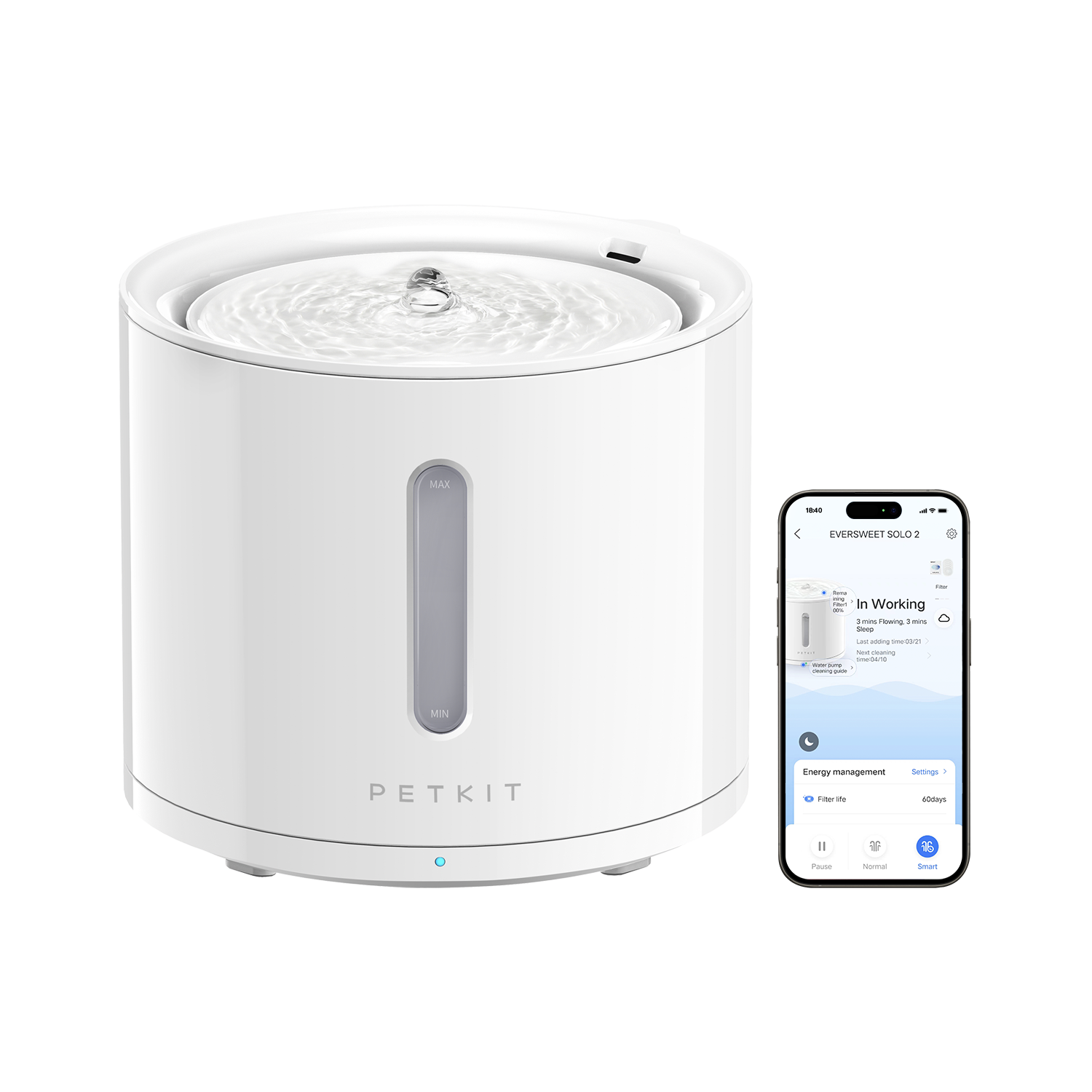
The Seascape's spec sheet has a quiet line in it: no app control. For some owners that's a feature — nothing to pair, nothing to update, no account. For maintenance, it means the fountain has no opinion about its own filter. Compare that with app-connected fountains that log run hours and push a filter alert: they are not smarter about the water, they are just louder about the calendar.
The fix is boring and complete. Put three recurring entries in whatever calendar you actually look at: a weekly "wash the fountain," a monthly "check filter count," and a quarterly "descale and inspect pump." Write the install date of each filter on the filter box or in the calendar entry itself. That is the entire reminder system, and once it's set it costs less attention than an app's notification settings.
One more no-app reality: the cord. The Seascape is corded, so its placement is fixed by outlet distance, and the wash routine includes unplugging and managing a wet cord around a heavy bowl. Route the cord so the weekly carry to the sink is a straight line with no snags — a small thing that matters more when the object in your hands weighs over 4 kg full.
Verdict
The Drinkwell Seascape's maintenance burden is average in frequency and above average in physical effort. The cadence — daily top-ups, a weekly wash, filters on a counted cycle — is the standard rhythm for a 2.07 L multi-stage fountain, and none of it is technically difficult. What the ceramic body adds is weight and a glaze to protect: a two-handed carry, non-abrasive cleaning, no dishwasher assumptions, and a chip check at every wash.
Buy into this fountain if you want ceramic's stability and surface quality and you're willing to run the schedule from your own calendar. If a 4 kg wash-day carry or a reminder-free filter cycle sounds like the kind of thing that will quietly slip, a lighter plastic model with app reminders will serve your pet better — a fountain that gets washed beats a beautiful one that doesn't. The full specs are on the Drinkwell Seascape product page.
How often does the Drinkwell Seascape need a full wash? Weekly is the working planning estimate for a 2.07 L multi-stage fountain in regular use. Homes with multiple pets, heavy shedding, or warm rooms should lean toward the shorter end and wipe the drinking surface every two to three days between washes. These are estimates from capacity and class, not measured intervals.
Can the ceramic bowl go in the dishwasher? We don't assert that either way. Dishwasher guidance is a manufacturer specification for the specific model, so check the Seascape's manual before the first wash. If the manual doesn't say, hand-washing is the conservative default for glazed ceramic.
How heavy is the Seascape when it's full? The fountain weighs 2.36 kg empty per our catalog, and 2.07 L of water adds roughly 2 kg, putting a full carry past 4 kg. Bailing out most of the water before the trip to the sink, or carrying with two dry hands, is the sensible routine.
When do the filters need replacing if there's no app reminder? On a count you keep yourself. As planning estimates, the pre-filter stage typically runs two to four weeks and the main stage four to eight weeks, but the honest answer is that the schedule lives on your calendar: log each swap date and count forward. Nothing in the fountain will alert you.
What cleaning products are safe for the glaze? As general ceramic care guidance: mild dish soap, warm water, and non-abrasive sponges or cloths. Avoid scouring pads and gritty abrasive powders, which can dull the glaze over time. A diluted vinegar soak is the common household method for mineral deposits on pump parts and unglazed surfaces.
What should I do if the ceramic chips? Retire the fountain. A chip exposes porous ceramic under the glaze, which can hold residue that normal washing won't clear, and chips can grow into cracks. Inspect the rim and drinking surface at every weekly wash so a chip is caught early.
Last updated: November 27, 2026
Changelog
November 27, 2026 — Added retailer buying links (Our pick and Where to buy) for the products covered in this article.
Related in this category
Pet Tech · Pet Water Fountains · Updated Nov 22, 2026
Across 17 tracked fountains: plastic dominates (12 of 17), capacities run 1.5–9.5 L, and only 1 maker publishes a filter cost — the hygiene field that decides what a fountain really costs to keep clean.
Pet Tech · Pet Water Fountains · Updated Nov 21, 2026
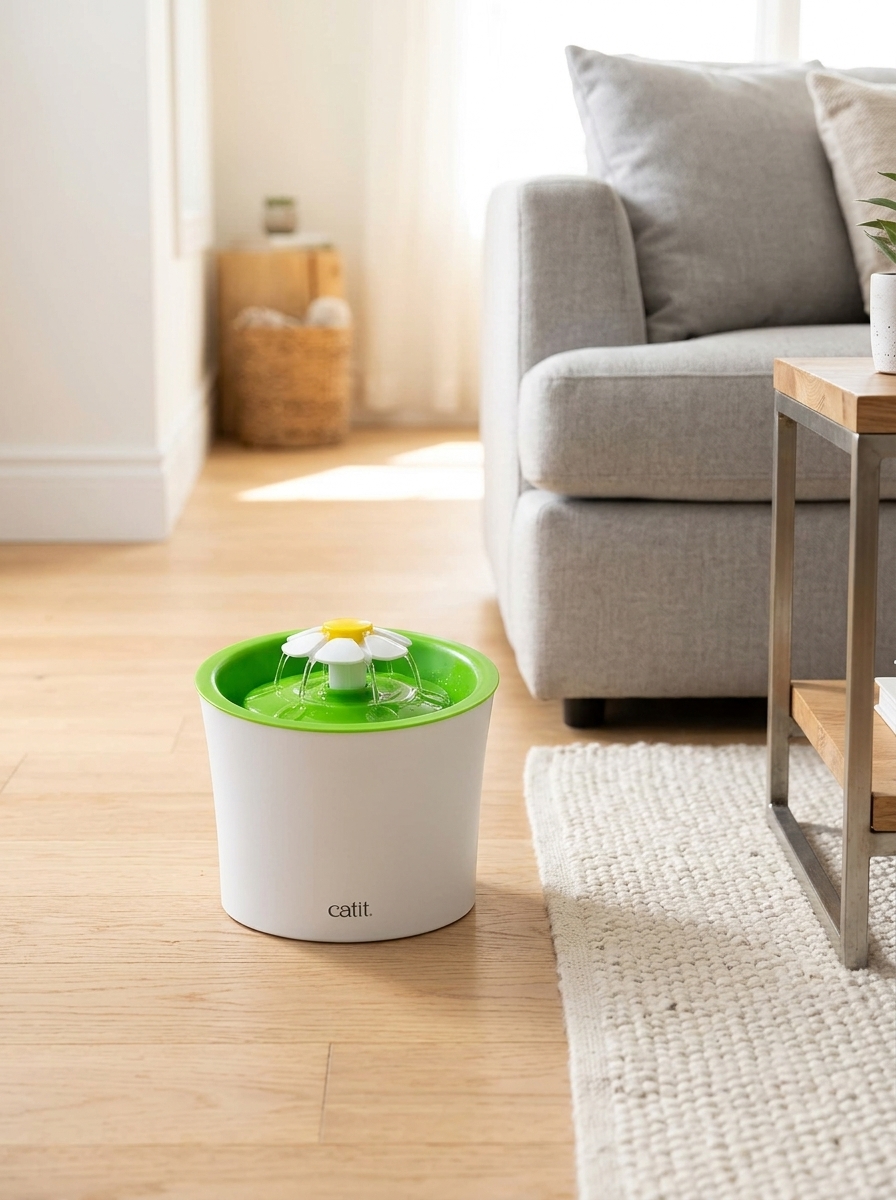
As of 2026-11-21, we track 17 pet water fountains from 11 brands, scored with Score v1.0 from owner ratings, spec strength and ownership cost. Catit Flower Fountain leads the list at 8.2/10. Tracked prices run from $17 to $100; the full table below is sortable by score and price.



Discussion
No comments yet