
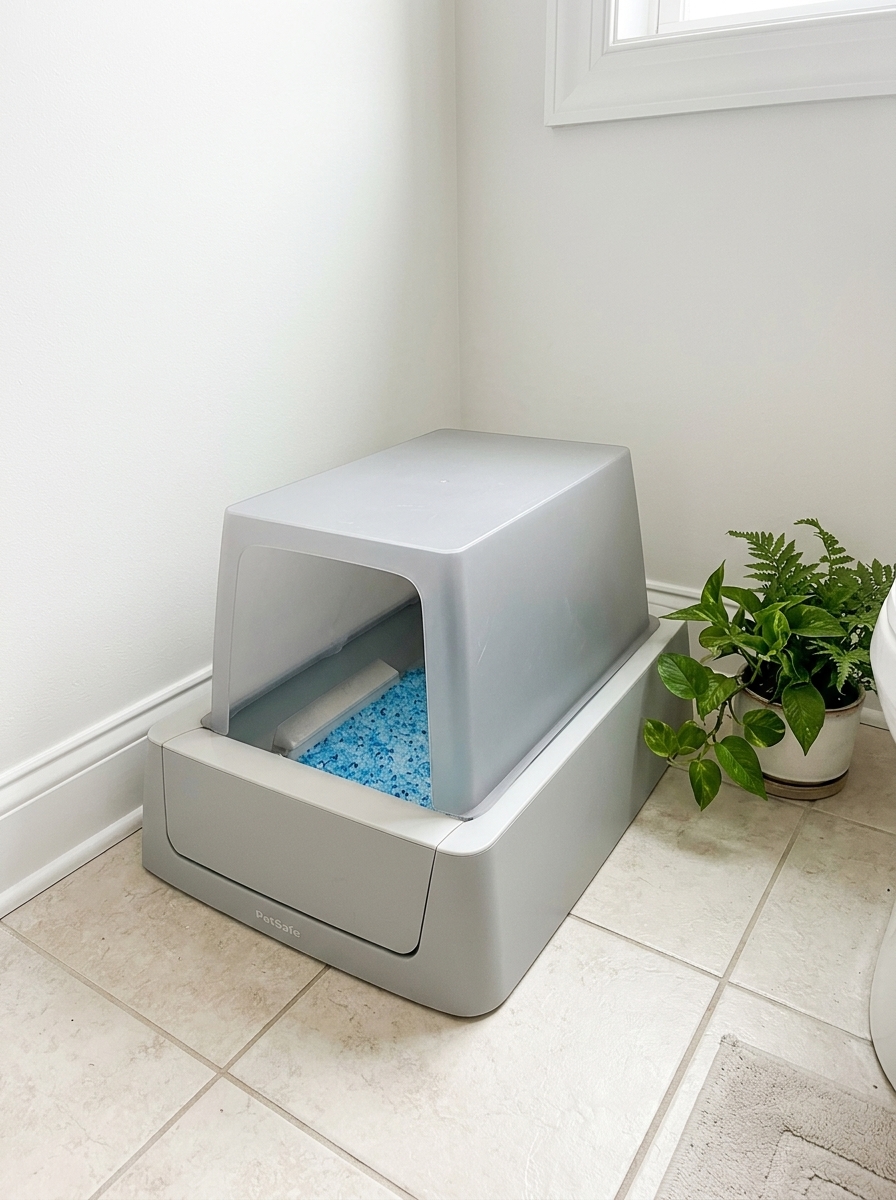
Budget Self-Cleaning Litter Boxes: A Data Shortlist
The six lowest tracked purchase prices in the category, $219.99–$359.99. Best score under $300: PetSafe ScoopFree Crystal Smart at 8.4/10.
Lab 01: Pet Tech · Automatic Litter Boxes
Email me when PetSafe ScoopFree SmartSpin drops to my target price. The confirmation includes a manage link — use it any time to list or remove your alerts at Your price alerts. Lowest price tracked so far: USD 340.00 — a target below that is below the historical low and less likely to be reached.
Disclosure: AIBuyLab is reader-supported. When you buy through links on this page, we may earn a commission at no extra cost to you. This guide is based on catalog data and manufacturer specifications — we have not hands-on tested this unit, and the intervals below are AIBuyLab guidance, not manufacturer instructions.
Our pick: PetSafe ScoopFree SmartSpin — check the current price at the retailer.
An automatic litter box replaces the daily scoop with a mechanism that separates waste from clean litter after each visit. The SmartSpin uses a rotating globe: the drum turns, clean litter filters through a sifting surface, and clumps and waste drop into a sealed drawer below. It is rated for cats up to 14.97 kg (33 lb) — big-cat class, well above the 10 kg ceiling on many competitors — and pairs with an app for cycle notifications and bin alerts, with no subscription required.
Its defining specification is litter flexibility. Most rotating-globe boxes are clumping-only, because the sifting cycle depends on litter forming firm clumps. The SmartSpin is catalogued as any-litter, which changes its maintenance profile in ways the schedule below accounts for. For the full specification record, see the SmartSpin product page.
One contrast worth knowing: its sibling, the PetSafe ScoopFree Crystal Smart (Score: 8.4/10), takes the opposite philosophy entirely — a raking mechanism paired with proprietary disposable crystal trays, where maintenance means swapping a tray rather than emptying a bin and cleaning a drum. If you are choosing between the two maintenance lifestyles, that difference matters more than the score gap.
Maintenance schedules fail when they ignore capacity. The SmartSpin's waste bin holds 6 L. A cat produces roughly 0.3–0.45 L of litter waste per day once clumps and soiled litter are counted (a planning estimate, not a measurement of this unit). Against a 6 L bin:
Cats | Estimated fill time | Practical emptying rhythm |
|---|---|---|
1 | ~13–20 days | Every 2 weeks |
2 | ~7–10 days | Weekly |
3 | ~4–6 days | Twice a week |
4 | ~3–5 days | Every 3–4 days |
Treat these as ceilings, not targets. Waste left in a drawer compacts, holds moisture, and is the primary odor source in any self-cleaning box; emptying at roughly 80% of the estimate keeps the bin, the seals, and the room in better shape. The app tracks bin level and will alert you — use the alert as your backstop and the table as your plan, not the other way around. Big cats push toward the fast end of every range: a 14 kg cat produces meaningfully more waste than a 4 kg cat, and this box explicitly welcomes the big ones.
Task | Why it matters |
|---|---|
Empty or check the waste bin (per your cat-count rhythm above) | Odor and seal hygiene; a full bin can stall the cycle |
Top up litter to the fill line | A rotating globe needs a consistent litter bed depth to sift correctly |
Wipe the globe's interior residue ring | Waste film builds where clumps tumble; a weekly wipe prevents monthly scrubbing |
Check the entry step and rim for tracked litter and residue | The highest-traffic surface, and the first place odor clings |
Confirm the app shows normal cycle counts | A silent drop in cycles can mean a sensor issue before it means a sick cat — rule out the box first |
Five minutes, once a week. The single highest-value item is the residue ring: globe interiors develop a film exactly where waste contacts the drum during rotation, and film that survives a month becomes a deep-clean project.
Task | Why it matters |
|---|---|
Full globe wash — remove, wash with mild detergent, dry completely before refilling | Resets the residue film the weekly wipe only manages |
Inspect globe seals and the drawer gasket | Seals are the odor barrier; cracked or litter-caked seals leak smell and moisture |
Clean the sensor windows with a dry or barely damp cloth | Soiled sensors cause phantom cycles or missed cycles |
Wash or replace the waste-bin liner setup and scrub the drawer itself | The drawer outlives hundreds of liners; it accumulates its own film |
Check the power cord and base vents for litter dust buildup | Litter dust migrates everywhere; vents and contacts are no exception |
A note on what our catalog does not track for this model: unit weight, noise level, and warranty length are not in our data, so we won't quote figures for them. Check the product page and the manufacturer's listing for current warranty terms before you buy — they matter for a motorized appliance you expect to run for years.
The globe. The drum is the whole machine. Any-litter designs tolerate more litter variety, but fine, dusty litters coat the interior faster and coarse litters can leave more residue behind the sifting surface. If you switch litter types, shorten the first monthly wash interval and see what the drum tells you.
Litter choice as a maintenance lever. With a clumping-only globe, maintenance problems often trace back to weak clumps breaking apart mid-cycle. The SmartSpin's any-litter rating removes that failure mode — but soft or slow-clumping litters can smear rather than tumble cleanly, which shows up as a heavier residue ring. Your weekly wipe cadence should be honest about what your litter actually does, not what the bag promises.
Sensors and the app. App control is genuinely useful here — cycle logs, bin alerts, error notifications — but every app feature depends on clean sensors. If cycle counts look wrong, clean the sensor windows before troubleshooting anything else. And set your own calendar reminders for the monthly table: the app reminds you about the bin, not about seals and sensors.
The waste drawer. Line it consistently, empty on rhythm, and wash it monthly. A drawer that is only ever relined and never washed becomes the odor source owners blame on the globe.
The ScoopFree SmartSpin asks for a different kind of discipline than its Crystal Smart sibling: no trays to buy and swap, but a drum, a drawer, and a set of seals that are yours to keep clean. Budget five minutes weekly and half an hour monthly, empty the 6 L bin on your cat count's rhythm rather than the app's last warning, and adjust the wipe-down cadence to your litter's real behavior. Do that, and the any-litter flexibility that defines this model stays an advantage instead of becoming a residue problem.
Where to buy: PetSafe ScoopFree SmartSpin · PetSafe ScoopFree Crystal Smart — retailer links run through our /go/ tracker; the product pages track prices daily.
How often do I really need to empty the SmartSpin's bin? By capacity estimate: about every two weeks for one cat, weekly for two, and twice a week for three or more. The app tracks bin level — use its alert as a backstop, and empty before the bin is completely full to protect the seals and control odor.
Does "any litter" mean maintenance is the same for every litter? No. It means the sifting cycle is not dependent on firm clumping the way clumping-only globes are. Dusty litters coat the drum faster and soft litters can smear; your wipe-down and wash cadence should follow what your chosen litter actually leaves behind.
Are these intervals from PetSafe? No. They are AIBuyLab guidance derived from the catalogued 6 L bin capacity and standard waste-volume estimates. Always follow the manufacturer's own instructions where they differ — ours are a planning framework, not a replacement manual.
What does the app actually remind me about? Bin level, cycle activity, and errors. It does not track seal condition, sensor cleanliness, or globe film — which is why the monthly table above exists. Set independent calendar reminders for those.
How does SmartSpin upkeep compare with the ScoopFree Crystal Smart? Opposite philosophies. The Crystal Smart (Score: 8.4/10) uses a rake and proprietary disposable trays — maintenance is a tray swap and there is no drum to wash. The SmartSpin (Score: 6.9/10) has no tray system at all, but the globe, drawer, and seals need the weekly and monthly care described here.
What are the SmartSpin's weight, noise level, and warranty? Our catalog does not track those three figures for this model, and we won't guess at them. The SmartSpin product page is the place to check for updates, and the manufacturer's listing carries the current warranty terms.
Last updated: November 27, 2026
November 27, 2026 — Added retailer buying links (Our pick and Where to buy) for the products covered in this article.
The six lowest tracked purchase prices in the category, $219.99–$359.99. Best score under $300: PetSafe ScoopFree Crystal Smart at 8.4/10.
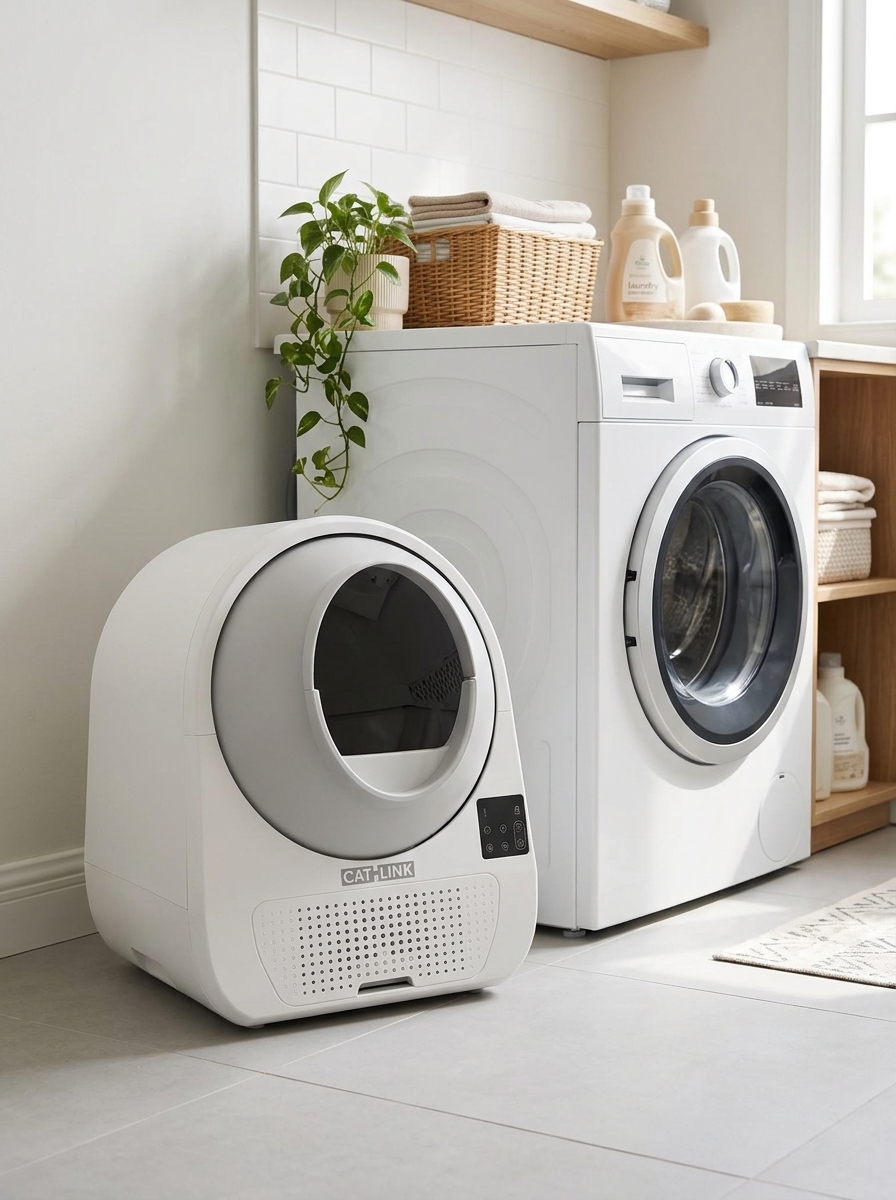
The six lightest tracked boxes by published unit weight (5–10.35 kg) — a stated proxy, because makers do not publish footprints consistently. Lightest: ChillX AutoEgg.
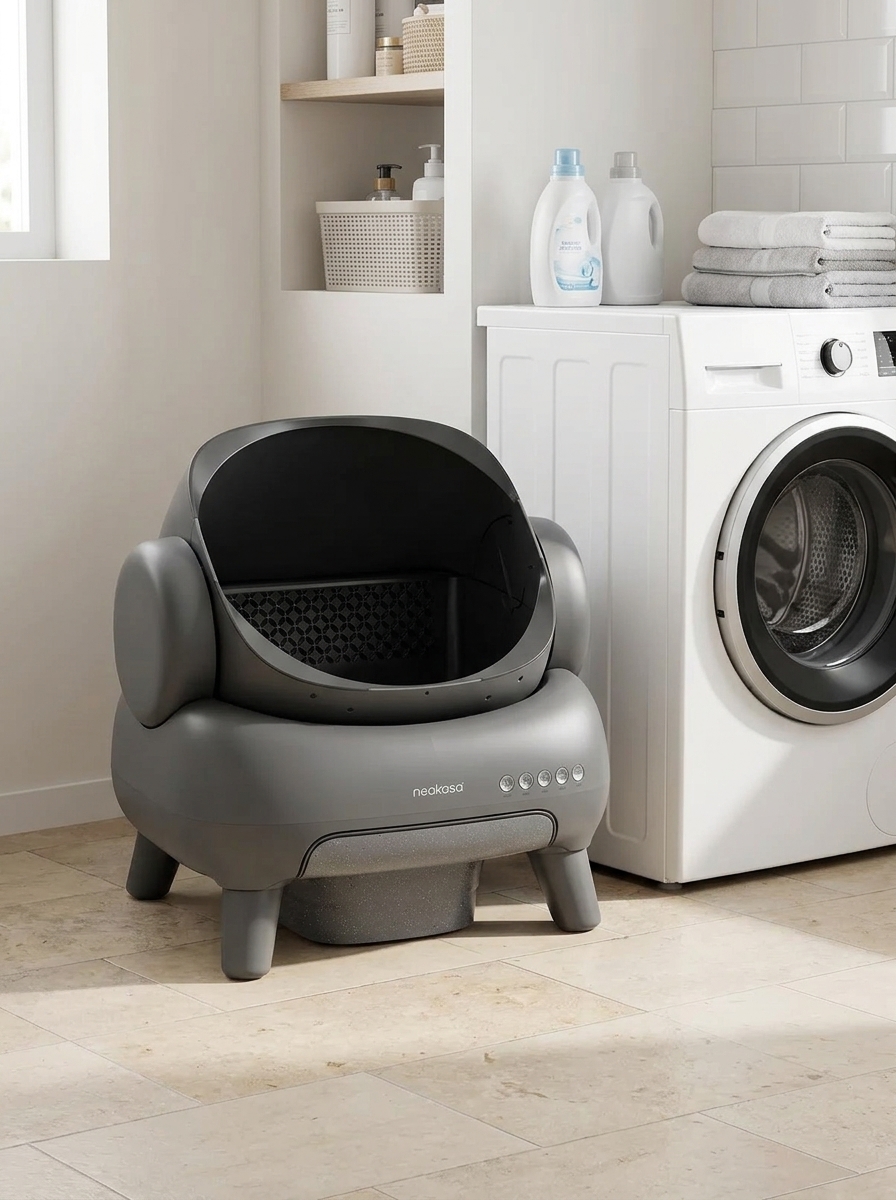
8 boxes meet the multi-cat rule (maker-rated for 2+ cats, or a waste drawer of 10 L+ where no rating is published), ranked by Score v1.0. Top: Neakasa M1 at 8.5/10.
PETKIT PuraMax 2 by the numbers: Score v1.0 6.7/10 (#9 of 16 in its category), owner rating 4.20/5 from 2,729 reviews, tracked from $380.99.
Discussion
No comments yet