Why Is My Dog Panting So Much?
Panting is how dogs cool down, so most panting is normal — after exercise, in warm rooms, or when excited. Panting at rest, at night, or with a change in gum colour is the panting that needs attention.
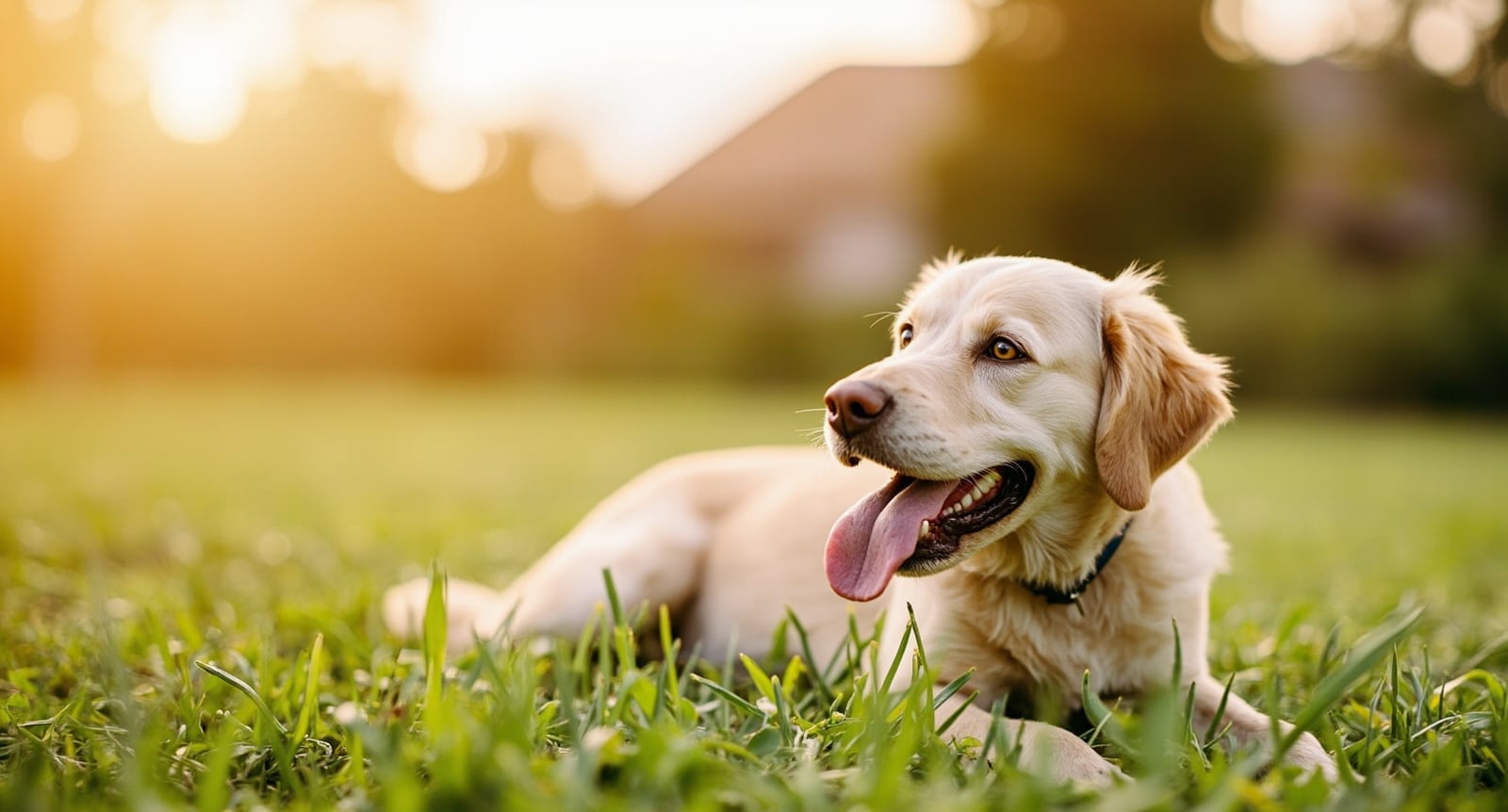
Why Is My Dog Panting So Much? — editorial image.

Information sources
This article is built from published veterinary and animal-behaviour sources — the professional references named in the article itself — and every figure it cites appears in those sources. It is general information, not veterinary advice: if your pet is unwell or the behaviour changes suddenly, please consult your veterinarian.
AIBUYLAB does not sell pet products, and this article is not shopping guidance — we earn no commission from any purchase. Where our site covers pet tech products, that coverage lives in our reviews and best lists, scored on our published 10-point index.
The Short Answer
Dogs cannot cool themselves by sweating the way people do, so panting is their main temperature control. Normal panting follows exercise, warmth, excitement or mild stress and settles within minutes of rest. Abnormal panting happens at rest or at night, does not settle, or comes with other signs — and its causes include pain, heart or respiratory disease, Cushing's disease, toxins, laryngeal paralysis and heat stroke. Flat-faced breeds are at higher risk in the heat because their airway anatomy compromises panting itself. The number to know is the resting breathing rate: 20–35 breaths per minute is normal, and 40 or more is the point to act.
Why It Happens
- Normal: thermoregulation. VCA and AKC both explain that dogs have few sweat glands — mostly in the footpads — so heat is carried away by moisture evaporating from the tongue and airways. Panting is literally the cooling system running.
- Normal: exercise and excitement. Play raises the breathing rate and panting declines with rest; excitement panting is common and harmless.
- Normal: stress. Vet visits, thunderstorms and fireworks can all produce emotional panting, which is one reason to note the context before worrying.
- Abnormal: pain. AKC notes arthritic dogs often pant, and that back or abdominal pain frequently presents as panting alongside anxiety. Other pain signs: vocalising, trembling, limping, restlessness, rapid breathing and licking the painful site.
- Abnormal: heart and respiratory disease. Congestive heart failure can put fluid in the lungs and cause panting or rapid breathing at rest; asthma, bronchitis and choking are on the same AKC list.
- Abnormal: Cushing's disease. In middle-aged and senior dogs, excess cortisol weakens muscles including the diaphragm, so even routine effort increases panting; a pot-bellied appearance is a common early sign.
- Abnormal: toxins and heat stroke. Toxins such as rat bait can raise body temperature and cause panting with drooling, vomiting and lethargy. VCA defines body temperature above 103°F as abnormal, and heat stroke as an immediate medical emergency.
- Higher risk: flat-faced breeds. VCA's brachycephalic airway syndrome page explains how shortened skulls alter the airway — stenotic nares, elongated soft palate, laryngeal collapse — so their ability to pant and cool is compromised, with collapse or fainting after exercise worse in hot and humid weather.
What the Sources Actually Say
This article paraphrases four verified sources. VCA Animal Hospitals' DVM-authored pages cover heat stroke in dogs, brachycephalic airway syndrome and laryngeal paralysis — the last of which names excessive panting as a hallmark early sign, typical in Labradors, golden retrievers and St. Bernards, with bluish gums and collapse as its severe signs. The American Kennel Club's article interviews Dr. Danasia Perry-Kaliati, DVM, and is where the resting breathing-rate thresholds and the normal-versus-abnormal cause split come from. We present those breathing-rate figures as a veterinarian's published guidance rather than a universal standard, because that is how AKC reports them.
What You Can Do
- Time the panting against restNormal panting should settle within a few minutes of rest. If it does not — or it happens at rest or at night — treat it as a symptom rather than a behaviour.
- Count the resting breathing rateAt rest, a dog should breathe 20–35 times a minute; 40–60 or more is very concerning and needs immediate attention, per the veterinarian AKC interviews.
- Check the gumsGums should be pale pink. Dark red, blue or purple gums or tongue mean the dog is not getting enough oxygen — immediate treatment, not a wait-and-see.
- Manage flat-faced breeds in heatFor brachycephalic dogs, avoid heat and over-exertion, and treat collapse or exercise intolerance as a warning sign rather than a personality quirk.
- Cool on the way to the vetFor suspected heat stroke, use cool water and a fan — not ice, not alcohol — and head to a clinic while you do it.
When It's an Emergency
When to See a Vet Immediately
- Gum colour change — dark red, blue or purple gums or tongue mean the dog is not getting enough oxygen; cyanosis with distress or collapse is also a severe laryngeal paralysis sign
- Collapse, inability to stand, gasping or muscle tremors
- Panting with known or suspected toxin ingestion
- Panting that does not settle after rest — the AKC vet source suggests getting to a clinic within about 30 minutes if it worsens rather than improves
- Suspected heat stroke — body temperature above 103°F is abnormal, and heat stroke is an immediate medical emergency
Worth a scheduled vet visit rather than an emergency one: panting at rest in a middle-aged or senior dog, which can point to Cushing's disease or heart disease, and any new pattern of panting that coincides with lameness or reluctance to move.
Related Reading
- Why is my dog shaking? — shaking and panting share several urgent causes, including pain and heat stroke
- Why do dogs eat grass? — another normal behaviour with specific warning signs
- Best pet cameras — for monitoring breathing and restlessness when you are out of the room
Frequently Asked Questions
Why do dogs pant?
Panting is a dog's main way of regulating body temperature. Dogs have few sweat glands — mostly in the footpads — so moisture evaporating from the tongue and airways carries heat away, per VCA and AKC. Exercise, excitement and mild stress also produce normal panting. Source: this article, Why Is My Dog Panting So Much?
How much panting is too much?
The veterinarian AKC interviews gives a resting breathing rate of 20–35 breaths per minute as normal and calls 40–60 or more very concerning. The practical rule from both sources: if panting does not settle within minutes of rest, or happens at rest or at night, treat it as a problem. Source: this article, Why Is My Dog Panting So Much?
What causes abnormal panting in dogs?
Pain, heart and respiratory disease (including laryngeal paralysis and congestive heart failure), Cushing's disease, and toxins are the main causes covered by AKC and VCA. Flat-faced breeds are additionally at risk because their airway anatomy compromises panting itself. Source: this article, Why Is My Dog Panting So Much?
What should I do for a panting dog in the heat?
Cool with cool — not cold — water on the head, stomach, feet and armpits, use misting and a fan, and head to a clinic. VCA states ice packs and rubbing alcohol are no longer recommended; AKC warns ice baths can cause shock through vascular constriction. Source: this article, Why Is My Dog Panting So Much?
- 2026-11-07 — First published: causes, breathing-rate thresholds and emergency guidance paraphrased from VCA Animal Hospitals (heat stroke, brachycephalic airway syndrome, laryngeal paralysis) and the AKC (interview with Dr. Danasia Perry-Kaliati). Health note: this article is general information, not veterinary advice.
You may also like
- Guide
Why Do Dogs Eat Grass? Should You Worry?
Grass eating is common and usually normal. Veterinary sources on the causes, the vomiting statistics, the real risks and when to see a vet.
- Guide
Why Do Dogs Eat Poop? (Coprophagia Causes & How to Stop It)
Coprophagia is common and usually curable. Veterinary sources on behavioural versus medical causes, what actually works to stop it, and when to see a vet.
- Guide
Why Is My Dog Shaking? 7 Causes (And When It's an Emergency)
Dog shaking from cold to emergency: seven causes with veterinary sources, the red flags that make it an emergency, and what to do at each stage.