Email me when Dreame D20 Pro Plus drops to my target price. The confirmation includes a manage link — use it any time to list or remove your alerts at Your price alerts. Lowest price tracked so far: USD 299.99 — a target below that is below the historical low and less likely to be reached.
Affiliate disclosure: AIBuyLab may earn a commission from qualifying purchases made through links on this page. This article is desk research based on catalog data and manufacturer specifications — we did not hands-on test either robot.
TL;DR
Our catalog scores this same-brand pair almost identically: the Dreame D20 Pro Plus at 6.9 and the Dreame L40 Ultra Gen 2 at 6.8 — a 0.1-point gap that should not decide anything on its own.
The D20 Pro Plus is the stamina-and-capacity pick: 285 minutes of runtime and a 500 ml onboard dustbin, the bigger numbers on both counts.
The L40 Ultra Gen 2 is the mopping pick: rotating pads that lift 10.5 mm over carpet, versus the D20's basic drag-pad mop.
Everything else in our catalog data matches: app control, LiDAR navigation, structured-light obstacle avoidance, bagged self-empty docks, and no subscription on either model.
Verdict in one line: hard-floor homes that actually mop should take the L40 Ultra Gen 2; large, carpet-light homes that vacuum far more than they mop should take the D20 Pro Plus and its longer legs.
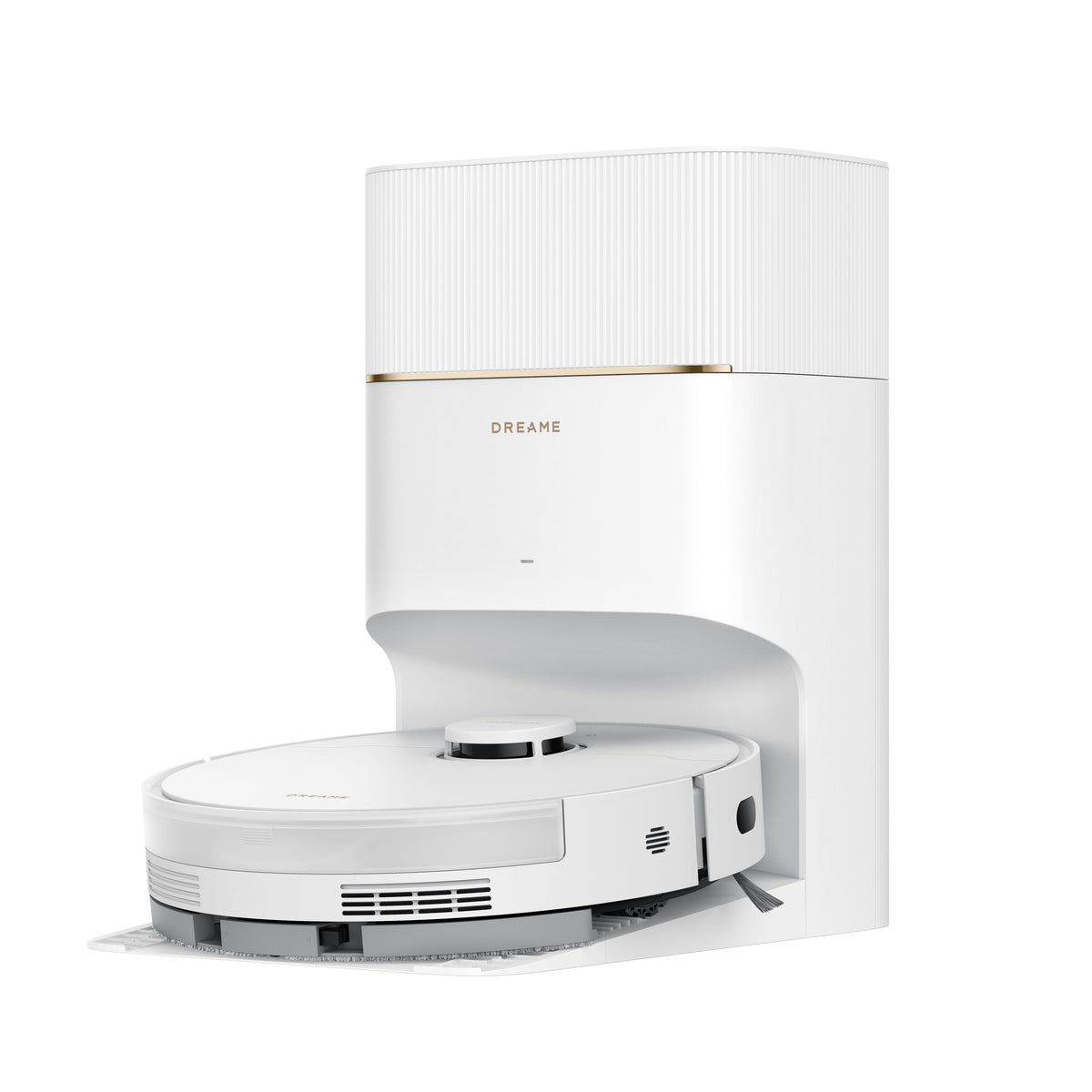
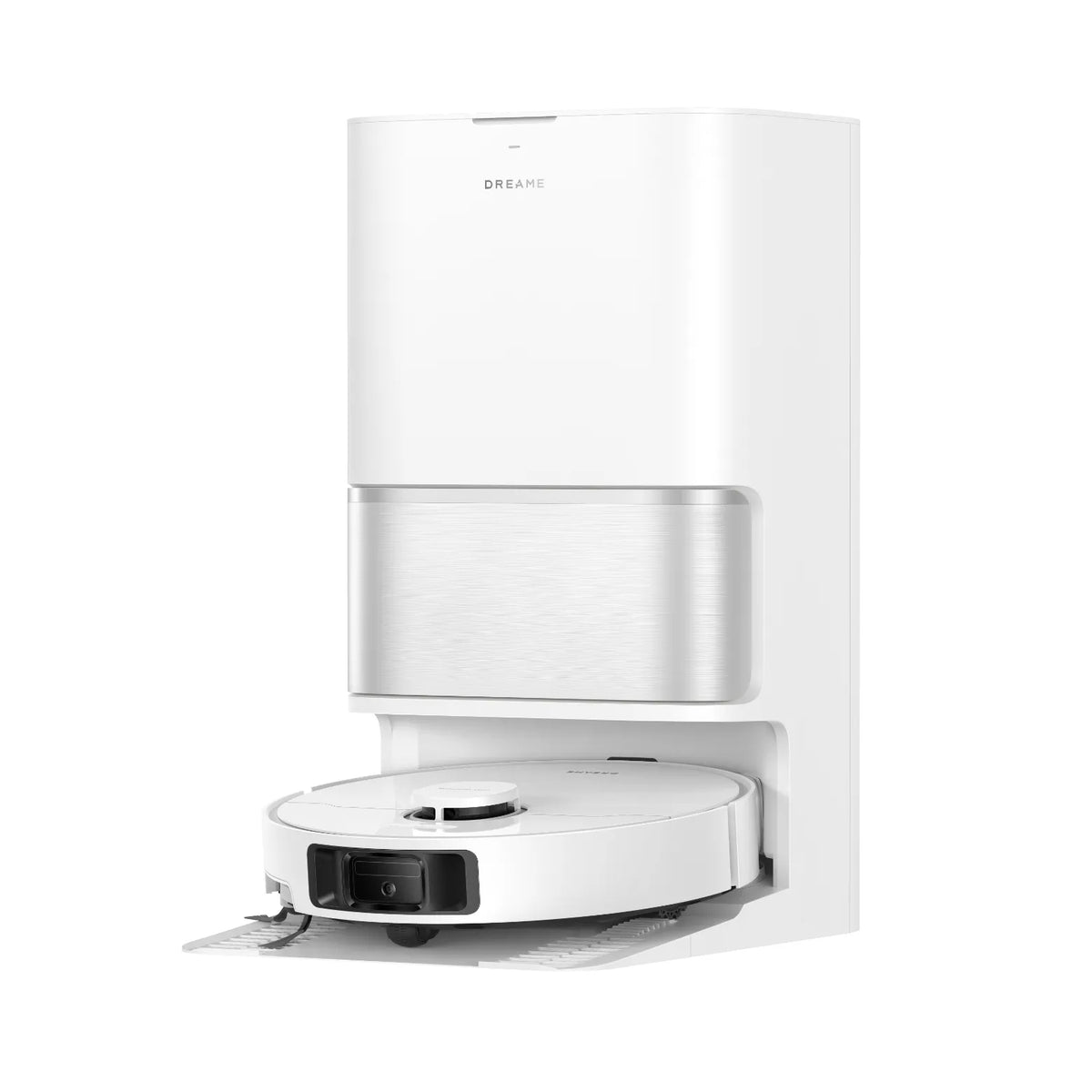
Both machines are self-emptying robot vacuum-mops from Dreame's upper range, and they share the same basic architecture: a LiDAR-guided robot that maps your home, avoids obstacles with structured-light sensing, and returns to a dock that empties its dustbin into a disposable bag. Neither requires a subscription, and both are controlled through the app.
That shared platform is exactly why the comparison matters. When two robots from the same brand tie on our Score and match on navigation, sensing, and dock type, the decision collapses to a short list of real differences — and here that list is unusually clean. One robot is built around runtime and bin capacity. The other is built around a better mop. Everything below follows from that split.
Spec comparison
Specification
Dreame D20 Pro Plus
Dreame L40 Ultra Gen 2
AIBuyLab Score (v1.0)
6.9
6.8
Runtime
285 min
231 min
Onboard dustbin
500 ml
Not listed here
Mopping system
Drag-pad
Rotating pads
Mop lift
Not listed here
10.5 mm
Navigation
LiDAR
LiDAR
Obstacle avoidance
Structured-light
Structured-light
Self-empty
Bagged
Bagged
App control
Yes
Yes
Subscription required
No
No
Fields our catalog does not track for a model are shown as "Not listed here" rather than filled in from guesswork. Where both models have a tracked figure, the comparison is direct — and the tracked figures tell a consistent story.
Runtime and dustbin: the D20's case
The D20 Pro Plus runs for 285 minutes on a charge in the manufacturer's rating, against 231 minutes for the L40 Ultra Gen 2. That 54-minute gap is the single largest spec difference in this comparison, and it maps to a specific kind of home: a large one. In a big floor plan, the shorter-runtime robot is more likely to split a full clean into two sessions with a recharge in between, stretching total job time well beyond the headline difference. The D20's extra 54 minutes is, in practice, the margin that lets one pass finish the whole level.
Capacity points the same way. The D20's 500 ml onboard dustbin is a large bin for this class. Both robots self-empty into bagged docks, so bin size is not about how often you touch the machine day to day — it is about how much debris the robot can hold mid-job before it has to detour back to the dock. In pet-hair-heavy homes during shedding season, a bigger bin means fewer mid-clean emptying trips and fewer interruptions to the cleaning pattern.
Put together, the D20's profile is a robot specified for coverage: long runtime, big bin, dock doing the disposal work. If your cleaning problem is area, this is the side of the comparison built for it.
Mopping: the L40's case
The L40 Ultra Gen 2 gives back those 54 minutes and spends the difference on the mop. Its rotating pads actively scrub as they move, where the D20 Pro Plus uses a drag-pad — a pad that trails behind the robot and wipes. Drag-pads are fine for maintaining already-clean hard floors and picking up light surface film; they are not a scrubbing system, and dried-on kitchen drips are where the gap shows.
The second mopping figure matters just as much in mixed-floor homes: the L40's pads lift 10.5 mm. When the robot crosses onto carpet or a rug, the pads raise clear of the pile instead of dragging damp fabric across it. A 10.5 mm lift clears most low- and medium-pile rugs, which means the L40 can vacuum carpet and mop hard floor in a single run without soaking the rug edges. The D20 has no tracked mop-lift figure in our catalog, and its drag-pad design is the more basic arrangement — in a home where carpet and hard floor alternate room by room, that difference decides whether mopping is a one-run job or a supervised one.
If your cleaning problem is what is stuck to the floor, this is the side of the comparison built for it.
Everything else is a tie — and that is useful information
It is worth stating plainly what does not separate these two, because same-brand lineups often differ on paper more than in the spec sheet. In our catalog data, both robots offer app control, both navigate by LiDAR, both avoid obstacles with structured-light sensing, both empty into bagged docks, and neither requires a subscription. Our Score puts them 0.1 points apart, which inside one scoring system is effectively a tie.
That means there is no wrong answer here on platform grounds — no missing feature, no paywalled function, no sensing downgrade hiding in the cheaper-feeling spec sheet. The choice really is the one the headline specs describe: stamina and bin, or mop.
Verdict: decide by floor mix
Choose the Dreame L40 Ultra Gen 2 if your home is mostly hard floor — tile, hardwood, laminate, vinyl — and mopping is a real part of your cleaning rather than an occasional bonus. The rotating pads do actual scrubbing work, and the 10.5 mm lift means the same run can cross rugs and low-pile carpet without dragging wet pads over them. Kitchens and entryways, where the mess is dried-on rather than loose, are exactly where this robot earns its spec sheet. Its 231-minute runtime still covers most homes in a single pass.
Choose the Dreame D20 Pro Plus if your home is large, your floors are mostly carpet or your hard floors need only maintenance wiping, and your debris problem is volume — pet hair, tracked-in grit, big open areas. The 285-minute runtime and 500 ml bin are specified for exactly that workload, and the drag-pad is an acceptable mop when mopping is the secondary job. You are not giving up navigation, sensing, self-emptying, or app control to get the bigger numbers; you are only giving up the scrubbing mop.
Skip both if your home is small and single-surface. A compact apartment with one floor type does not need 231 minutes of runtime, let alone 285, and does not need this class of dock — the shared platform here is built for larger, mixed homes, and smaller spaces can be served by simpler machines in Dreame's own range.
Which Dreame is better for pet hair? On catalog data, the D20 Pro Plus has the edge for volume: its 500 ml dustbin and 285-minute runtime suit long, hair-heavy cleans, and both robots share the same structured-light obstacle avoidance. If the hair is on hard floors and tracked into the kitchen, the L40's scrubbing pads clean the floor underneath better — the answer depends on whether your problem is quantity or residue.
Does the L40 Ultra Gen 2's mop lift really keep carpets dry? The tracked figure is a 10.5 mm pad lift, which raises the rotating pads clear of most low- and medium-pile rugs when the robot crosses them. Deep-pile carpet can still brush the pads. It is a meaningful spec for mixed-floor homes, not a guarantee for every rug.
Is the D20 Pro Plus's drag-pad mop good enough? For maintenance mopping — dust film, light spills wiped up the same day, keeping hard floors presentable between deeper cleans — a drag-pad is a reasonable tool. For dried-on messes, it is the weaker system in this pair by design; that is the trade the D20 makes for its runtime and bin size.
Why are the Scores so close if the robots differ? Our Score v1.0 is a composite across the full spec sheet, and these two share most of it: same navigation class, same avoidance class, same dock type, same app control, no subscription on either. The D20's runtime and capacity and the L40's mopping system roughly balance out, which is why the verdict has to come from your floor mix rather than the headline number.
Do either of these require a subscription? No. Our catalog records subscription_required as false for both models, and both use bagged self-empty docks — the ongoing consumable is dock bags and mop supplies, not a service plan.
Which one for a home with both carpet and hardwood? The L40 Ultra Gen 2, on the strength of the 10.5 mm mop lift: it can mop the hardwood and cross onto carpet in one run without dragging wet pads across the pile. The D20 remains the pick if the home is large enough that its extra 54 minutes of runtime is the difference between finishing in one pass and splitting the job.
Last updated: November 27, 2026
Changelog
November 27, 2026 — Added retailer buying links (Our pick and Where to buy) for the products covered in this article.
Related in this category
Smart Cleaning · Robot Vacuums · Updated Nov 22, 2026
As of 2026-11-22, we track 34 robot vacuums from 7 brands, scored with Score v1.0 from owner ratings, spec strength and ownership cost. Dreame D30 Ultra leads the list at 8.4/10. Tracked prices run from $120 to $1,700; the full table below is sortable by score and price.

Discussion
No comments yet