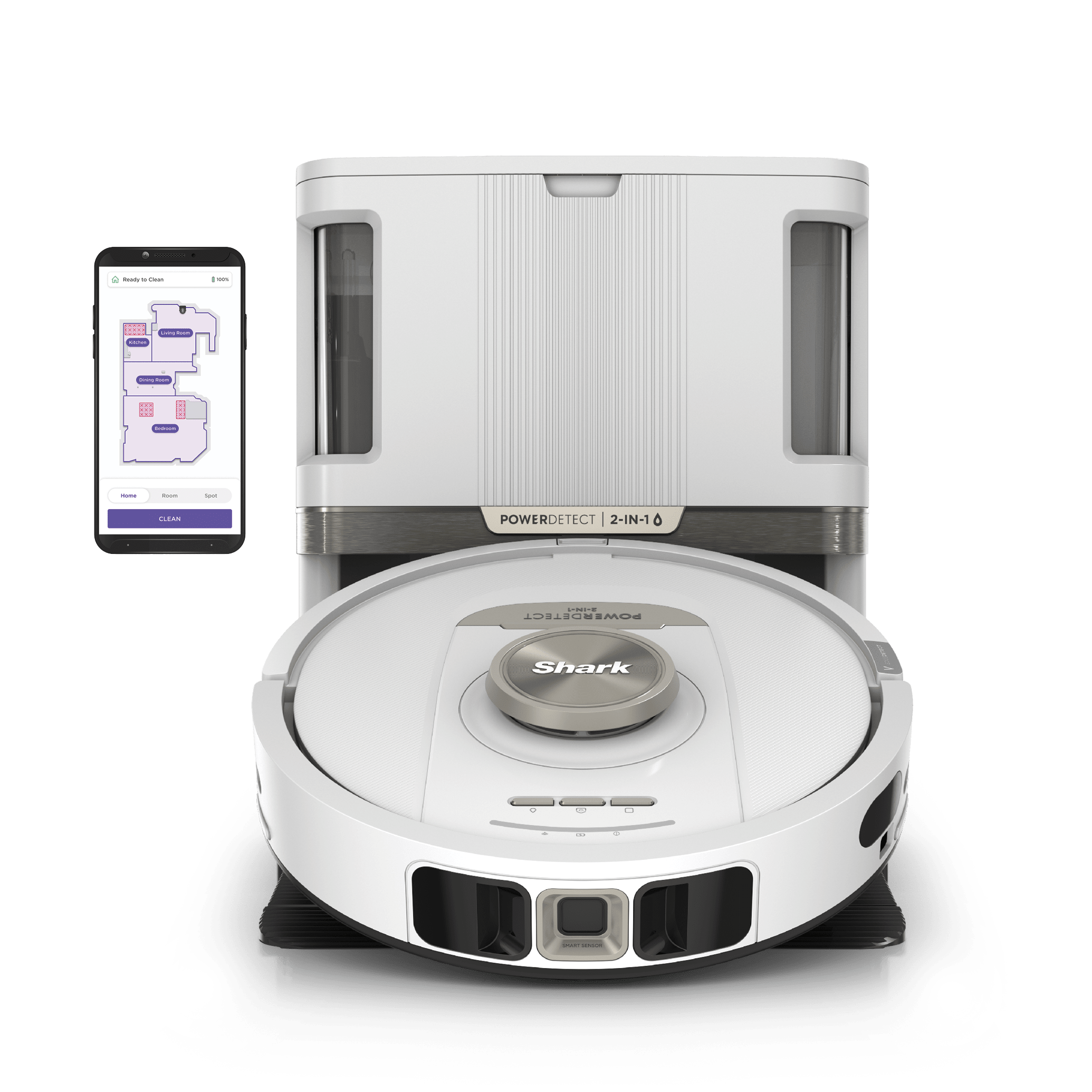
Price alerts — Shark PowerDetect 2-in-1 Robot Vacuum and Mop
Price-drop alert
Email me when Shark PowerDetect 2-in-1 Robot Vacuum and Mop drops to my target price. The confirmation includes a manage link — use it any time to list or remove your alerts at Your price alerts. Lowest price tracked so far: USD 999.99 — a target below that is below the historical low and less likely to be reached.
Shark PowerDetect 2-in-1 vs Roomba 105 Vac AutoEmpty: The Budget Fork, Spec by Spec
Affiliate disclosure: AIBuyLab may earn a commission from qualifying purchases made through links on this page. This comparison is desk research based on catalog specifications — we did not hands-on test either robot, and every claim below traces back to the spec data in our catalog.
TL;DR
- The Shark PowerDetect 2-in-1 (Score 4.1) is the more complete budget robot: it mops lightly with a drag pad, senses obstacles with structured light, and self-empties into a bagless dock, so there are no bags to buy, ever.
- The iRobot Roomba 105 Vac AutoEmpty (Score 4.0) is vacuum-only — despite a name that sounds like a combo, our catalog lists its mopping as none — and it has no obstacle avoidance tracked in our catalog. Its dock is bagged, which means a recurring bag habit.
- Both run 120 minutes, navigate by LiDAR, keep multi-floor maps, and need no subscription. At this tier, the spec gaps are the review: pick the Shark for hard-floor homes that want a light mop pass; pick the Roomba only if the iRobot ecosystem matters more to you than mopping and obstacle sensing.
Our pick: Shark PowerDetect 2-in-1 Robot Vacuum and Mop vs iRobot Roomba 105 Vac + AutoEmpty Dock — check current prices at the retailers.
What These Two Robots Are
Both machines sit in the entry tier of self-emptying robot vacuums: LiDAR-guided cleaners that return to a dock which sucks the onboard bin empty, stretching the interval between manual emptying from days to weeks. They are built for apartments and modest homes where the job is daily maintenance — crumbs, dust, pet hair on the surface — rather than deep restoration cleaning. Within that shared brief, though, the two brands spent their budget very differently, and the spec sheet shows exactly where.
Spec Table
Spec | Shark PowerDetect 2-in-1 | iRobot Roomba 105 Vac AutoEmpty |
|---|
AIBuyLab Score (v1.0) | 4.1 | 4.0 |
App control | Yes | Yes |
Navigation | LiDAR | LiDAR |
Multi-floor maps | Yes | Yes |
Runtime | 120 min | 120 min |
Mopping | Drag pad (light mop) | None |
Obstacle avoidance | Structured light | None tracked in our catalog |
Self-empty dock | Bagless | Bagged |
Onboard dustbin | 284 ml | Not listed here |
Subscription required | No | No |
Fields not supplied in our catalog data are shown as not listed rather than guessed — that discipline matters most for the Roomba's obstacle avoidance, covered below.
Mopping: A Light Pass vs No Pass at All
The Shark PowerDetect 2-in-1 carries a drag-pad mopping system. Be clear about what that means: a damp pad dragged behind the vacuum, good for picking up the fine dust film and light surface marks that vacuuming alone leaves on hard floors. It is not a scrubbing system and it will not rescue dried-on spills, but in a kitchen or entryway it is a real, repeatable benefit on the days between your own mopping.
The Roomba 105 Vac AutoEmpty does not mop. Our catalog records its mopping as none, full stop. The caution here is the name: "105 Vac" sits in a lineup where sibling models carry combo branding, and it is easy to skim a listing and assume a mop is included. It is not. If any part of your buying reason is "and it can wipe the floors," the Roomba 105 Vac is the wrong box, and no dock or app feature changes that.
Obstacle Avoidance: Structured Light vs Nothing Tracked
The Shark uses structured-light obstacle avoidance: it projects a light pattern ahead of itself and reads the distortion to detect objects in its path — shoes, cables, chair legs, pet toys — and steer around them instead of bulldozing through.
For the Roomba 105 Vac, our catalog tracks no obstacle avoidance system at all. We state that plainly because it is what the data says: there is no avoidance technology recorded for this model in our catalog. In practice, a budget robot without avoidance leans on its bumper — it finds obstacles by touching them. That means more nudged furniture, more chances to drag a cable or scatter a pet bowl, and more pre-clean tidying on your part before each run. On identical 120-minute runtimes, the robot that spends less time stuck or pushing objects around finishes more of the floor.
The Docks: Bagless vs Bagged, and the Bag Cadence Question
Both robots self-empty, but the docks take opposite approaches to what happens next.
The Shark's dock is bagless: debris collects in a reusable bin you tip into the trash. The consumable count for the dock is zero — there is nothing to reorder, nothing to run out of at the wrong moment, and no ongoing cost line attached to the dock for the life of the machine.
The Roomba's dock is bagged: debris is sealed into disposable bags. Bags have one genuine virtue — emptying is cleaner, since the dirt leaves the house sealed, which some allergy-sensitive households prefer. The trade is cadence: bags fill and must be replaced, on a rhythm set by your floor's dirt load — a shedding pet shortens it, a shoes-off apartment stretches it. We are not quoting prices here, but the structural point stands without them: the bagged dock creates a permanent consumable habit measured in bags per year, and the bagless dock creates none. Over a multi-year ownership span, that difference in kind — a recurring purchase versus no purchase at all — is one of the biggest real-world gaps between these two robots.
Where They Tie
Plenty, actually. Both navigate by LiDAR, the current standard for methodical, room-by-room cleaning paths rather than random bouncing. Both store multi-floor maps, so a two-storey home or a main floor plus basement routine works on either. Both run a rated 120 minutes per charge — enough for most apartments and the main level of a typical house in one pass. Both are app-controlled, and neither requires a subscription to unlock its core features. The Scores reflect the closeness: 4.1 for the Shark, 4.0 for the Roomba — a near tie on the fundamentals, which is precisely why the gaps above decide this comparison.
Verdict: Buy by Your Floors and Your Tolerance for Bags
Choose the Shark PowerDetect 2-in-1 if hard floors make up most of your home and you want the light mop pass between real moppings; if your floors carry the usual clutter of shoes, cables and toys and you'd rather the robot steer around them; or if the idea of buying dock bags forever irritates you. It wins this comparison on features per spec sheet, and its higher Score agrees.
Choose the Roomba 105 Vac AutoEmpty if your home is mostly carpet — where the mop you'd be giving up matters least — you prefer iRobot's app and ecosystem, and you actively like the sealed-bag emptying routine enough to accept its recurring cadence. Go in with eyes open: no mop, and no obstacle avoidance tracked in our catalog.
Skip both if you need real scrubbing mops, carpet deep-cleaning power, or avoidance sophisticated enough for dark rooms full of hazards — those are mid-tier features, and no amount of dock convenience at this level substitutes for them.
Where to buy: Shark PowerDetect 2-in-1 Robot Vacuum and Mop · iRobot Roomba 105 Vac + AutoEmpty Dock — retailer links run through our /go/ tracker; the product pages track prices daily.
FAQ
Does the Roomba 105 Vac AutoEmpty mop? No. Despite sitting in a lineup with combo models, our catalog lists the 105 Vac's mopping as none. It is a vacuum-only robot. The Shark PowerDetect 2-in-1, by contrast, has a drag-pad mop for light hard-floor passes.
Does the Roomba 105 have obstacle avoidance? Our catalog tracks no obstacle avoidance system for this model. The Shark PowerDetect 2-in-1 lists structured-light avoidance. If your floors are cluttered, that gap will show up in every run.
Which dock is cheaper to live with? The Shark's dock is bagless, so its dock consumable count is zero — there are no bags to buy at any cadence. The Roomba's bagged dock needs replacement bags on a rhythm that depends on how much dirt your home generates; homes with shedding pets will cycle bags faster.
Are 120 minutes of runtime enough? For most apartments and the main floor of a typical house, yes — and both robots are rated identically here, so runtime does not separate them. Very large single floors may need a recharge-and-resume cycle on either machine.
Do either of these robots need a subscription? No. Our catalog lists no subscription requirement for either model; app control, LiDAR mapping and multi-floor maps are included features on both.
Why are the Scores so close if the Shark has more features? Score v1.0 weighs the whole package, and on the shared fundamentals — navigation, mapping, runtime, app control, self-emptying — the two are genuinely even. The Shark's extra features (mopping, avoidance, bagless dock) earn it the edge, 4.1 to 4.0, but the verdict for your home still turns on the floor-type and bag questions above.
---
Last updated: November 27, 2026
Changelog
November 27, 2026 — Added retailer buying links (Our pick and Where to buy) for the products covered in this article.
Related in this category

Smart Cleaning · Robot Vacuums · Updated Nov 22, 2026
As of 2026-11-22, we track 34 robot vacuums from 7 brands, scored with Score v1.0 from owner ratings, spec strength and ownership cost. Dreame D30 Ultra leads the list at 8.4/10. Tracked prices run from $120 to $1,700; the full table below is sortable by score and price.
Smart Cleaning · Robot Vacuums
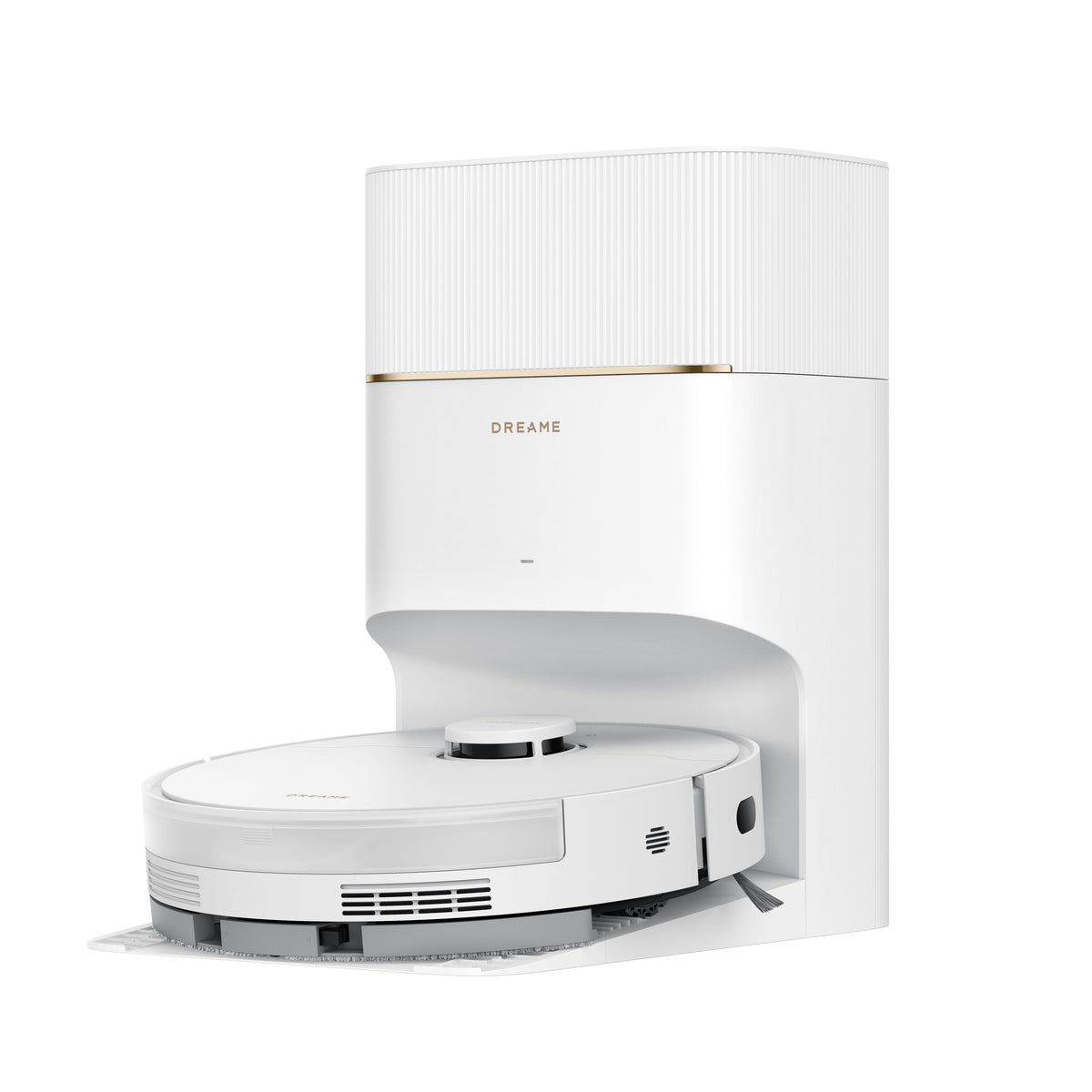
Our catalog scores this same-brand pair almost identically: the Dreame D20 Pro Plus at 6.9 and the [Dreame L40 Ultra Gen 2](https://aibuylab.co
Smart Cleaning · Robot Vacuums
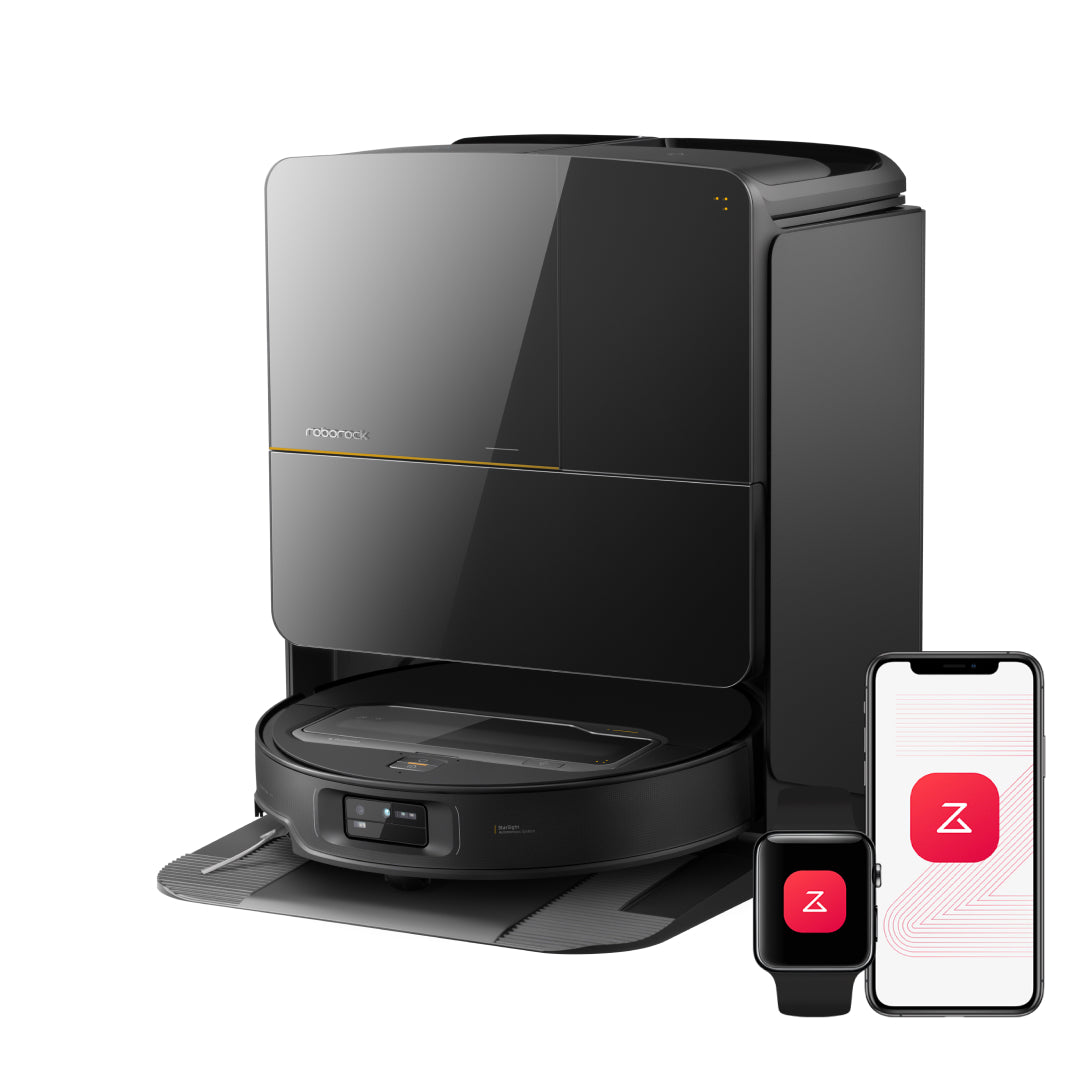
Our Score rates the Roborock Saros Z70 at 3.6 and the Eufy Robot Vacuum Omni E35 at 3.5 — both low, a
Smart Cleaning · Robot Vacuums
Our catalog scores these two flagship-class robot vacuum-mops nearly identically: the Roborock Qrevo 2 Pro at 6.6 and the [Ecovacs Deebot X8 P
Report an error on this page
Discussion
No comments yet