Price alerts — Dyson Gen5detect Absolute
Price-drop alert
Email me when Dyson Gen5detect Absolute drops to my target price. The confirmation includes a manage link — use it any time to list or remove your alerts at Your price alerts. Lowest price tracked so far: USD 1049.99 — a target below that is below the historical low and less likely to be reached.
Dyson Gen5detect Absolute Maintenance Schedule for Owners
Affiliate disclosure: AIBuyLab may earn a commission from qualifying purchases made through links on this page, at no additional cost to you. This article is desk research based on published specifications and catalog data only — we did not hands-on test this product.
TL;DR
The Dyson Gen5detect Absolute (Score 6.1/10 in our catalog) has no self-empty station, so every gram of debris it picks up stays in its 0.77 L bin until you empty it — and at 262 AW of suction, that bin fills faster than most owners expect. The maintenance rhythm that keeps it performing is simple: empty the bin at or before the max line after heavy sessions, wash the filter roughly monthly (a planning estimate), wipe the detect head's lens whenever the laser beam looks dim or patchy, and avoid running the battery to empty every single session. None of this is difficult, but none of it is optional either — a dock-free flagship outsources its upkeep entirely to you.
Our pick: Dyson Gen5detect Absolute — check the current price at the retailer.
What the Dyson Gen5detect Absolute Is
The Dyson Gen5detect Absolute is a cordless stick vacuum positioned at the top of Dyson's range. In our catalog it records a Score of 6.1/10, suction of 262 AW, a rated runtime of 70 minutes, a 0.77 L dustbin, HEPA filtration, app control, five attachments in the box, and a weight of 3.45 kg. It carries a 2-year warranty and requires no subscription. Critically for maintenance planning, it has no self-empty station: unlike dock-based rivals that transfer debris into a larger bag or bin, everything this machine collects lives in the onboard bin until the owner deals with it. That single design fact shapes the entire schedule below.
The Maintenance Schedule at a Glance
All cadences below are planning estimates based on typical household use patterns and general care guidance for this class of machine — they are not manufacturer-stated intervals, and your mileage will vary with floor area, pet hair volume, and how often you use the full 70-minute runtime.
Task | Planning-estimate cadence | Why it matters |
|---|
Empty the 0.77 L bin | After every heavy session; never above the max line | An overfilled bin chokes airflow and stresses the motor |
Wash the filter | Roughly monthly | HEPA performance depends on a clean, fully dried filter |
Wipe the detect head lens | Whenever the laser looks dim; check weekly | A dusty lens weakens the dust-revealing beam |
Clear the brush bar of hair wrap | Every 1–2 weeks in pet homes | Wrapped hair drags on the motor and scratches hard floors |
Battery stewardship check | Monthly habit review | Protects long-term capacity on a 70-minute rated pack |
Inspect seals and attachment joints | Every 2–3 months | Leaks quietly erode the 262 AW you paid for |
Bin Discipline: The 0.77 L Rule
The Gen5detect Absolute's 0.77 L bin sounds adequate on a spec sheet, but context matters. Suction of 262 AW is flagship-tier power, and powerful machines pull in more fine dust per pass — the fraction of debris you cannot see but that steadily consumes bin volume. In a home with pets or high-traffic carpet, a planning estimate is that the bin reaches its max line well before a full week of regular cleaning has passed.
The discipline is simple: treat the max line as a hard ceiling, not a suggestion. Running with a bin packed past the line forces the motor to work against restricted airflow, which can reduce effective suction and generate extra heat. Emptying takes seconds with the point-and-shoot mechanism typical of this class, and doing it after heavy sessions — rather than on a fixed calendar day — matches the chore to actual debris load. If you regularly clean a large home in one go, build the emptying step into the middle of the session rather than discovering a packed bin at the end of it.
One more habit: when you empty the bin, glance at the shroud and cyclone area for fine dust caking, and give it a quick wipe with a dry cloth every few emptyings.
Filter Washing: Protecting the HEPA Seal
HEPA filtration is one of the Gen5detect Absolute's headline features, and it is also the component most sensitive to neglect. The filter traps the fine particles the HEPA rating promises to capture; as it loads up with dust, airflow drops and the machine compensates by working harder.
General care guidance for washable filters in this class of Dyson machine — framed as guidance, not a quote from any manual — is to wash the filter with cold water only, without detergent, roughly once a month as a planning estimate for average households. Homes with pets, allergies, or daily use should treat monthly as the longest interval, not the target. The step owners most often get wrong is reassembly: the filter must be completely dry before it goes back in. A planning estimate for drying is at least 24 hours in a ventilated spot. Reinstalling a damp filter can produce musty odors and undermines the filtration you are trying to protect.
A useful tell that your cadence is too slow: if the machine's tone changes noticeably during a session, or suction feels weaker on the same floor type week over week, check the filter before assuming anything is broken. In our assessment, filter state is the single most common self-inflicted cause of "my flagship vacuum feels tired."
The Detect Head: Keeping the Laser Honest
The Gen5detect line is defined by its dust-revealing laser head, which angles a beam across hard floors to make fine dust visible. That beam is only as good as the lens it passes through. Kitchen grease film, household dust, and the occasional splash all land on exactly the surface the laser depends on.
The care routine is minimal: wipe the lens with a soft, dry, lint-free cloth whenever the beam looks dim, uneven, or patchy — a weekly visual check is a sensible planning estimate, with a wipe whenever needed. Avoid solvents or abrasive cloths; the goal is to remove film, not to polish. If you store the vacuum in a utility area where airborne dust settles, expect to wipe more often. This is also a good moment to check the head's soft roller (on the head designed for hard floors) for grit embedded in the fabric, which can drag across delicate flooring.
Note that the laser does nothing on carpet, so mostly-carpeted homes should weight this section accordingly — their maintenance burden concentrates on the bin, filter, and brush bar instead.
Battery Stewardship at a 70-Minute Rating
A rated runtime of 70 minutes is generous for a stick vacuum, and most single sessions in apartments and medium homes will use a fraction of it. Battery stewardship for this class of lithium pack follows a few general principles, offered as guidance rather than manufacturer instruction:
- Avoid the full drain habit. Regularly running any lithium pack to absolute empty before recharging is harder on it than topping up after use. A planning-estimate approach: dock or plug in after sessions as a default, rather than waiting for the pack to die mid-clean.
- Match mode to mess. Maximum suction modes draw the pack down far faster than standard modes. Reserving the highest setting for genuine need — edges, ground-in dirt — stretches both the session and the battery's service life.
- Mind storage temperature. If the vacuum lives in a garage or sun-baked utility room, heat is the enemy of long-term capacity. Room-temperature storage is the safer default.
- Expect gradual change. A pack that delivered close to its rated runtime when new will deliver somewhat less after years of cycles. That is normal aging, not a defect, and the 2-year warranty window is the period in which abnormal capacity loss is worth raising with the manufacturer.
At 3.45 kg, the Gen5detect Absolute is not the lightest stick in its class, and that weight includes the larger pack that makes 70 minutes possible. Owners who find it heavy for above-floor work may rotate to a lighter secondary machine for shelves and stairs — for context, the Dyson V12 Detect Slim sits in the same detect family at a lower weight point in our catalog.
Brush Bar and Attachment Care
With five attachments in the box, the Gen5detect Absolute asks a bit more organizational discipline than a two-head rival. The recurring tasks:
- Brush bar hair wrap: In pet homes, check the main cleaner head's brush bar every one to two weeks (planning estimate) and cut away wrapped hair and thread. Left alone, wrap builds friction, noise, and eventually a burning smell that owners often misdiagnose as motor failure.
- Soft roller rinse: The hard-floor roller head can typically be washed; treat it like the filter — rinse as needed and dry fully before refitting.
- Crevice and mini tools: A quick shake-out and visual check every couple of months is enough. Blockages in a mini motorized tool show up as a sudden loss of agitation on upholstery.
- Joints and seals: Every two to three months (planning estimate), run a finger around the wand and head connection points. Grit in a joint is a slow leak in the sealed system that the 262 AW figure depends on.
Verdict: Who This Schedule Suits
The Gen5detect Absolute's maintenance profile is the honest price of its design: flagship suction and filtration, no dock to babysit your debris for you. Total hands-on upkeep works out to a few minutes a week plus a monthly filter wash — light in absolute terms, but relentless in the sense that skipping it degrades exactly the performance the machine is bought for. Owners who want set-and-forget emptying should look at self-empty dock rivals instead. Owners who are happy with a simple, predictable routine get a machine whose upkeep is fully within their control — and whose 6.1/10 catalog Score reflects performance that this schedule is designed to preserve. Full specs and current details are on the Dyson Gen5detect Absolute product page.
Where to buy: Dyson Gen5detect Absolute · Dyson V12 Detect Slim — retailer links run through our /go/ tracker; the product pages track prices daily.
FAQ
How often should I empty the Gen5detect Absolute's bin? As a planning estimate, empty it after every heavy session and always before debris passes the max line. The 0.77 L bin fills faster than owners expect because 262 AW of suction pulls in a high volume of fine dust, especially in pet homes.
How often does the filter need washing? Roughly monthly is a reasonable planning estimate for average use, following general guidance for this class of washable HEPA filter: cold water, no detergent, and at least 24 hours of drying before refitting. Pet-heavy or allergy-focused homes should lean shorter.
Why does my laser head look dim? Most often, the lens has a film of household dust or grease on it. Wipe it with a soft, dry, lint-free cloth. Build a weekly visual check into your routine as a planning estimate, and clean whenever the beam looks patchy.
Can I leave the vacuum on charge all the time? General guidance for lithium packs in this class is that docking after use is fine and preferable to repeated full drains. What shortens pack life fastest is habitual deep discharge plus storage in hot locations, not ordinary docked charging.
Does the Gen5detect Absolute empty itself? No. It has no self-empty station, so all debris stays in the 0.77 L onboard bin until you empty it manually. That is the central maintenance fact of this model.
Is the maintenance covered by the warranty? The machine carries a 2-year warranty, but routine upkeep — emptying, filter washing, lens wiping — is owner maintenance, not a warranty service. Abnormal battery capacity loss within the warranty period is the kind of issue worth raising with Dyson.
Last updated: November 27, 2026
Changelog
November 27, 2026 — Added retailer buying links (Our pick and Where to buy) for the products covered in this article.
Related in this category
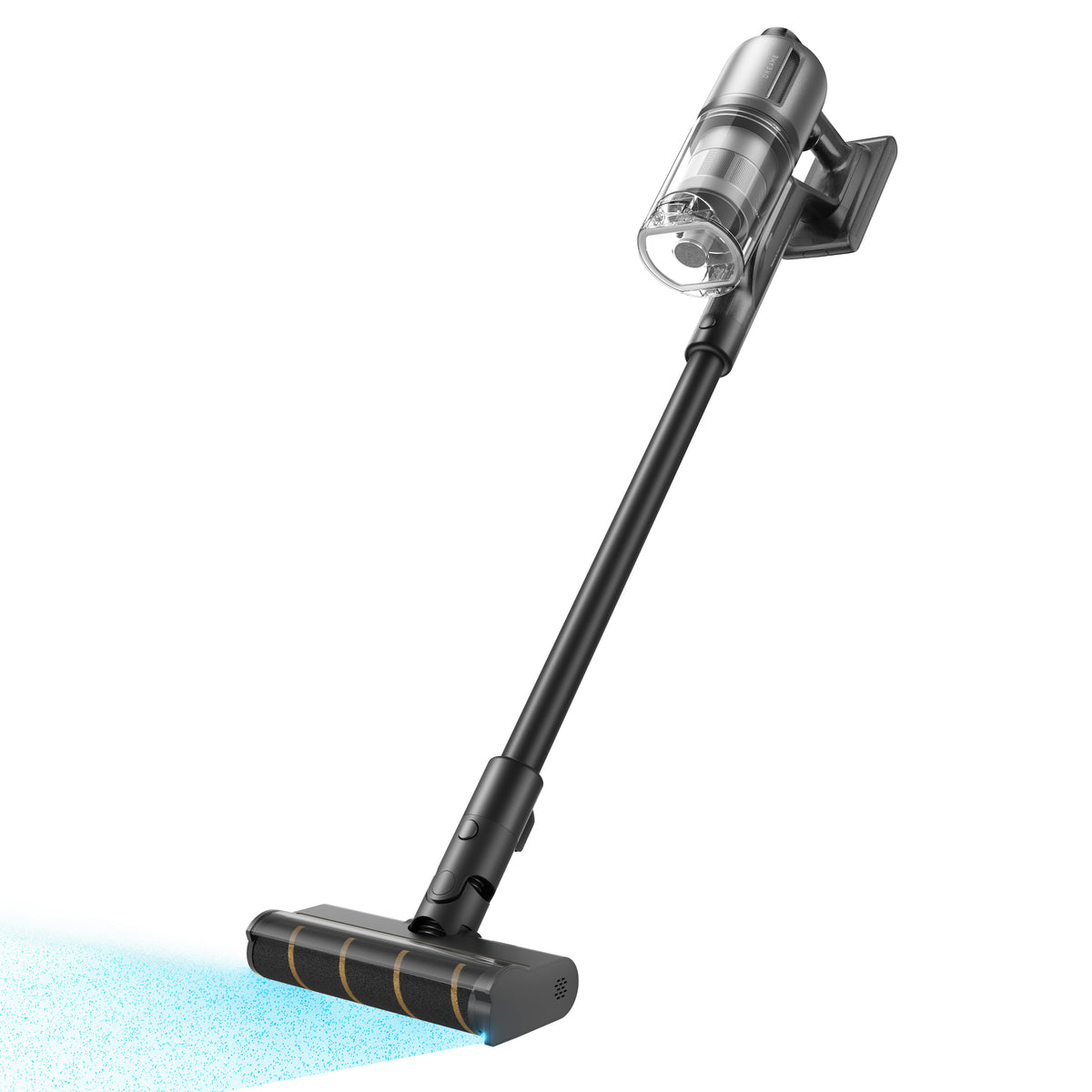
Smart Cleaning · Cordless Stick Vacuums · Updated Nov 22, 2026
As of 2026-11-22, we track 13 cordless stick vacuums from 5 brands, scored with Score v1.0 from owner ratings, spec strength and ownership cost. Dreame Z30 leads the list at 7.9/10. Tracked prices run from $130 to $1,100; the full table below is sortable by score and price.
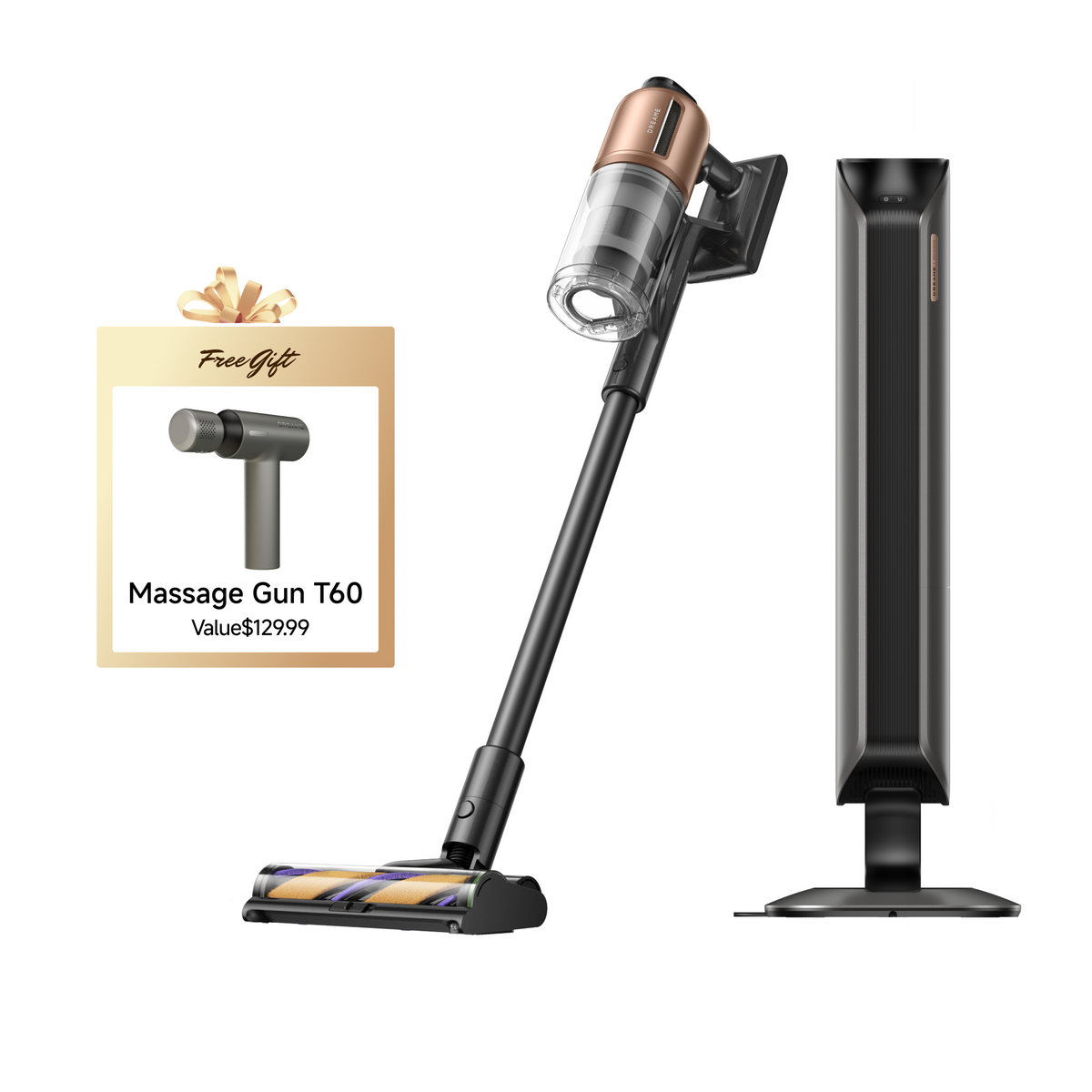
Smart Cleaning · Cordless Stick Vacuums
The Tineco Pure ONE S20 scores 4.8 in our Score v1.0 system, against 4.1 for the Roborock H60
Smart Cleaning · Cordless Stick Vacuums
The Roborock H60 Hub Ultra (Score 5.7) is the lighter, longer-running machine: 1.68 kg, 90 minutes of runtime, and a bagged self-empty hub that
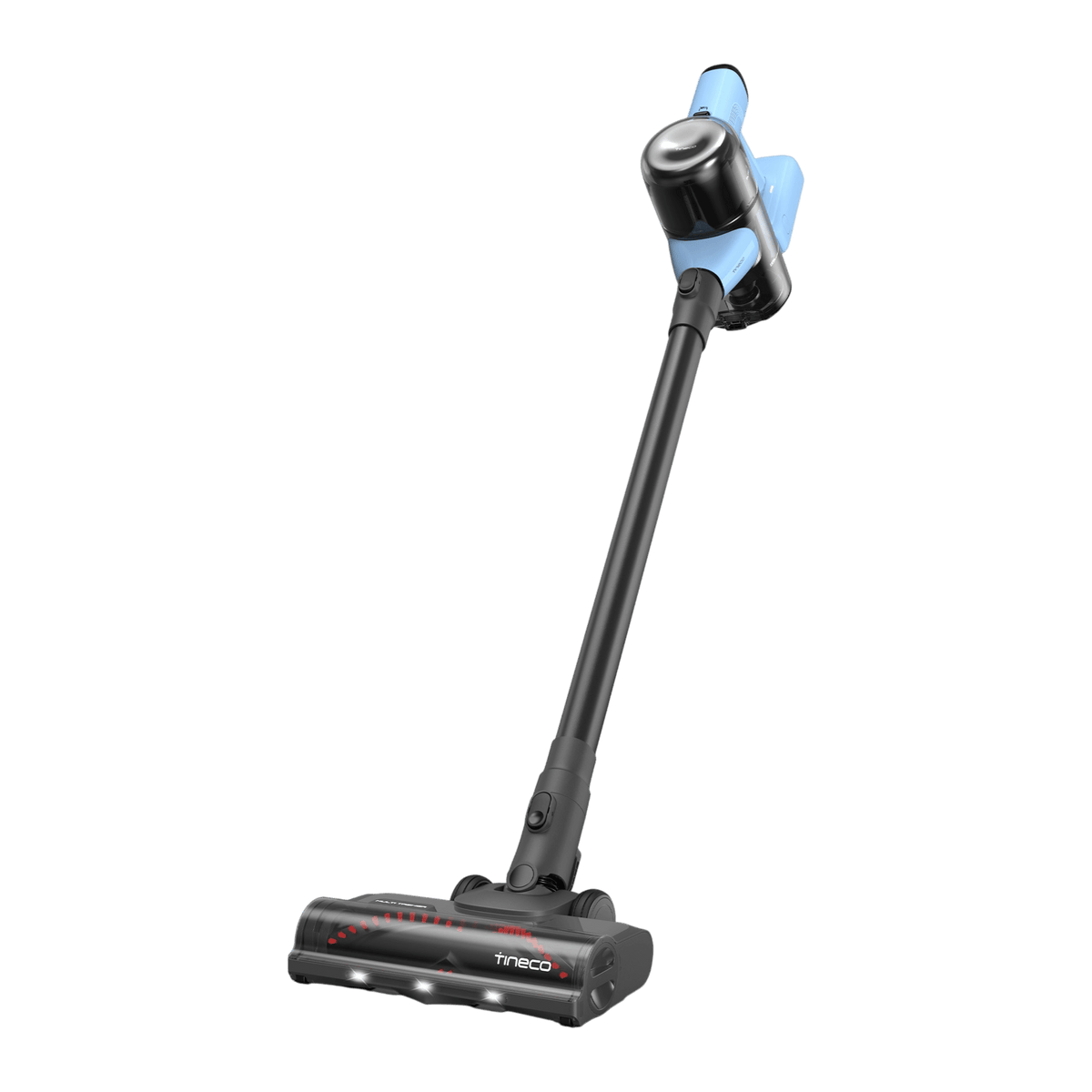
Smart Cleaning · Cordless Stick Vacuums
The Tineco Pure ONE S20 scores 4.8 in our system; the Dyson V15 Detect Absolute scor
Report an error on this page


Discussion
No comments yet