Email me when Dreame Z30 drops to my target price. The confirmation includes a manage link — use it any time to list or remove your alerts at Your price alerts. Lowest price tracked so far: USD 219.99 — a target below that is below the historical low and less likely to be reached.
Affiliate disclosure: AIBuyLab is reader-supported and may earn a commission when you buy through links on this page, at no extra cost to you. This comparison is desk research: we compiled the manufacturer specifications and our own catalog data for both models, and we did not hands-on test either vacuum. Every figure below comes from the specs listed in our catalog.
TL;DR
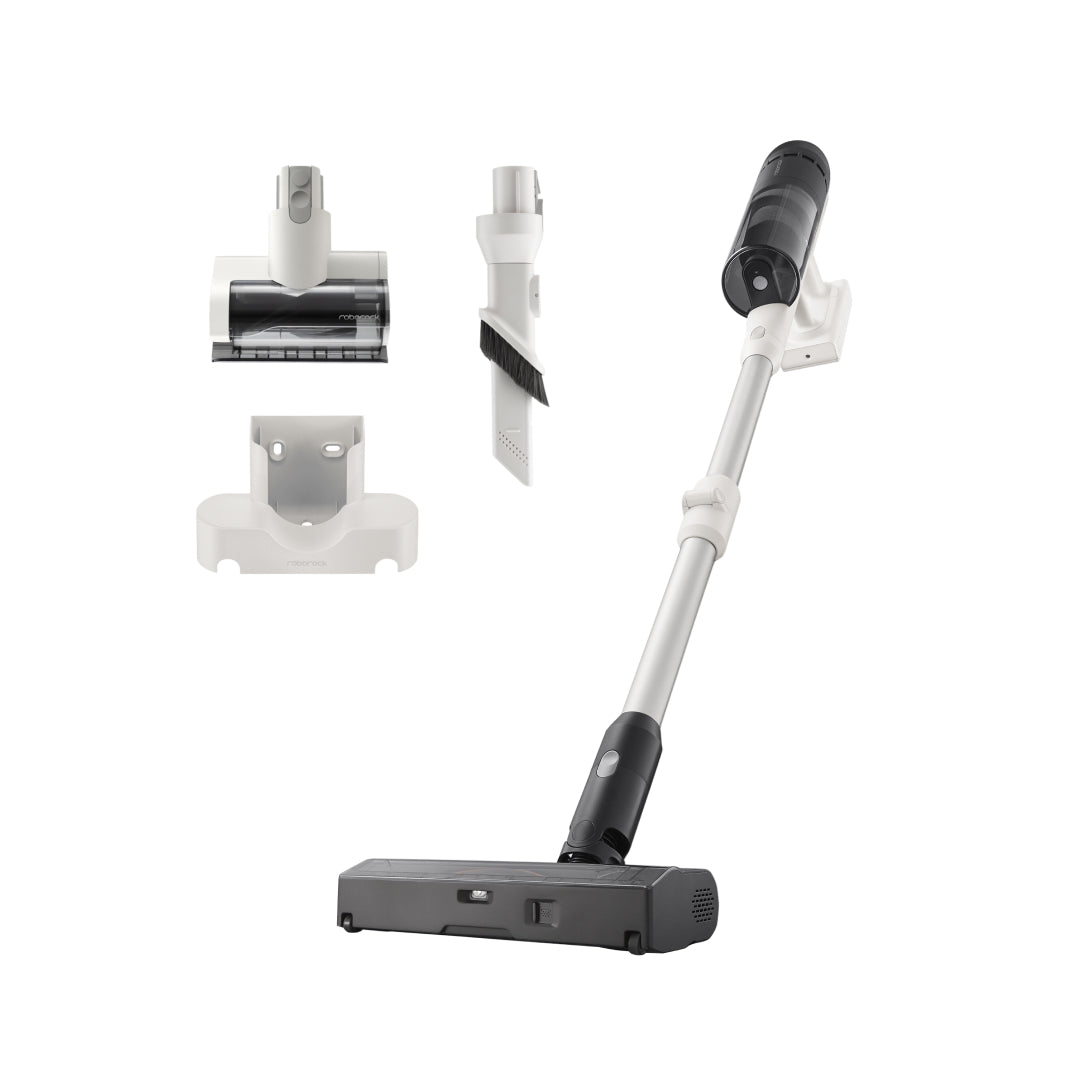
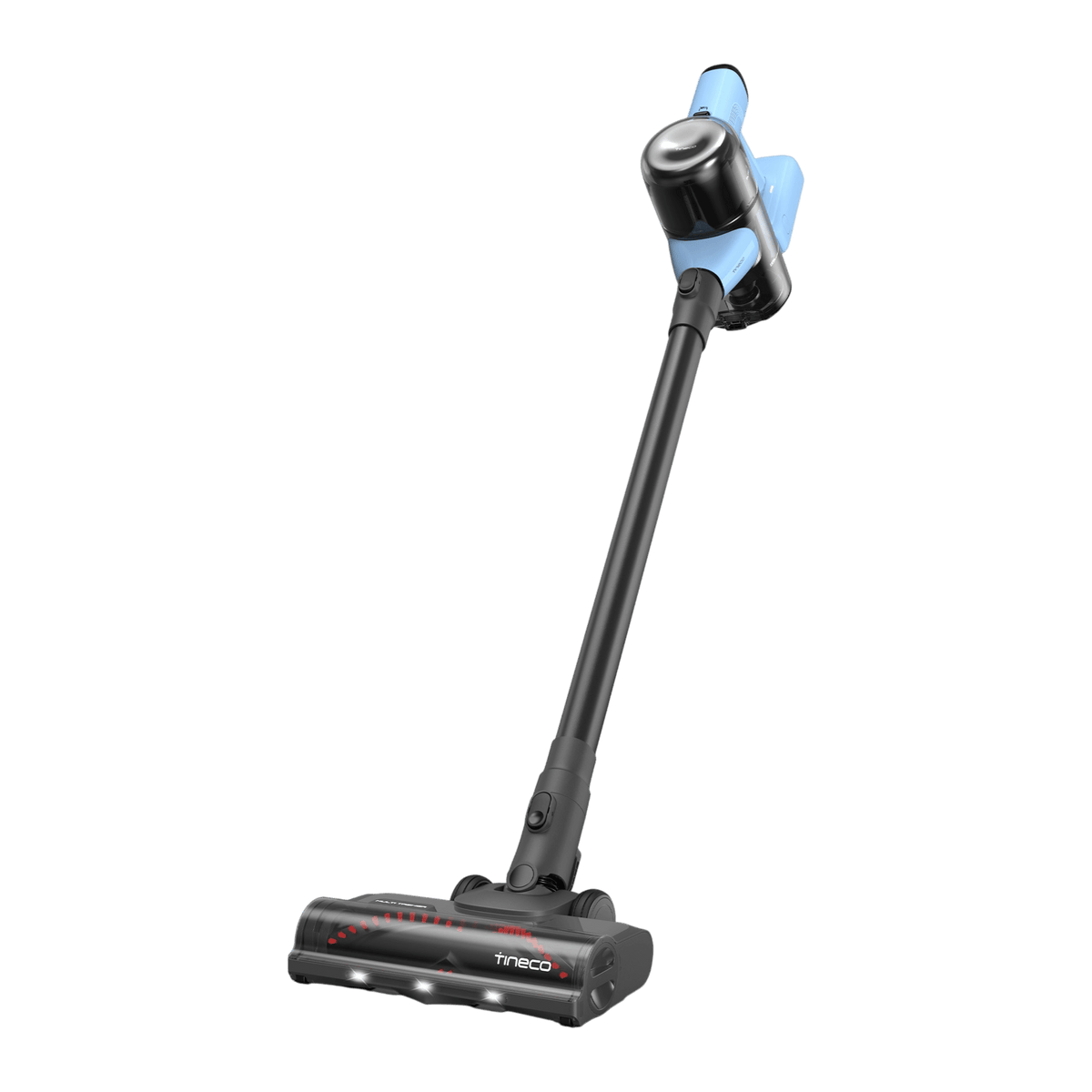
The Tineco Pure ONE S20 scores 4.8 in our Score v1.0 system, against 4.1 for the Roborock H60 — but the hardware gap is much smaller than the score gap.
The two are separated by just 0.06 kg of weight (1.62 kg vs 1.68 kg) and 5 minutes of runtime (55 vs 60 minutes).
The Roborock H60 actually wins on raw numbers: 115 AW of suction versus 100 AW, and a 0.49 L dustbin versus 0.4 L.
The real decision is the app. The S20 has app control; the H60 has none — no account, no pairing, no connected layer at all.
Both are HEPA-filtered, neither self-empties, and neither requires a subscription. Only the Tineco lists a warranty in our catalog: 2 years.
What a Lightweight Cordless Stick Vacuum Is
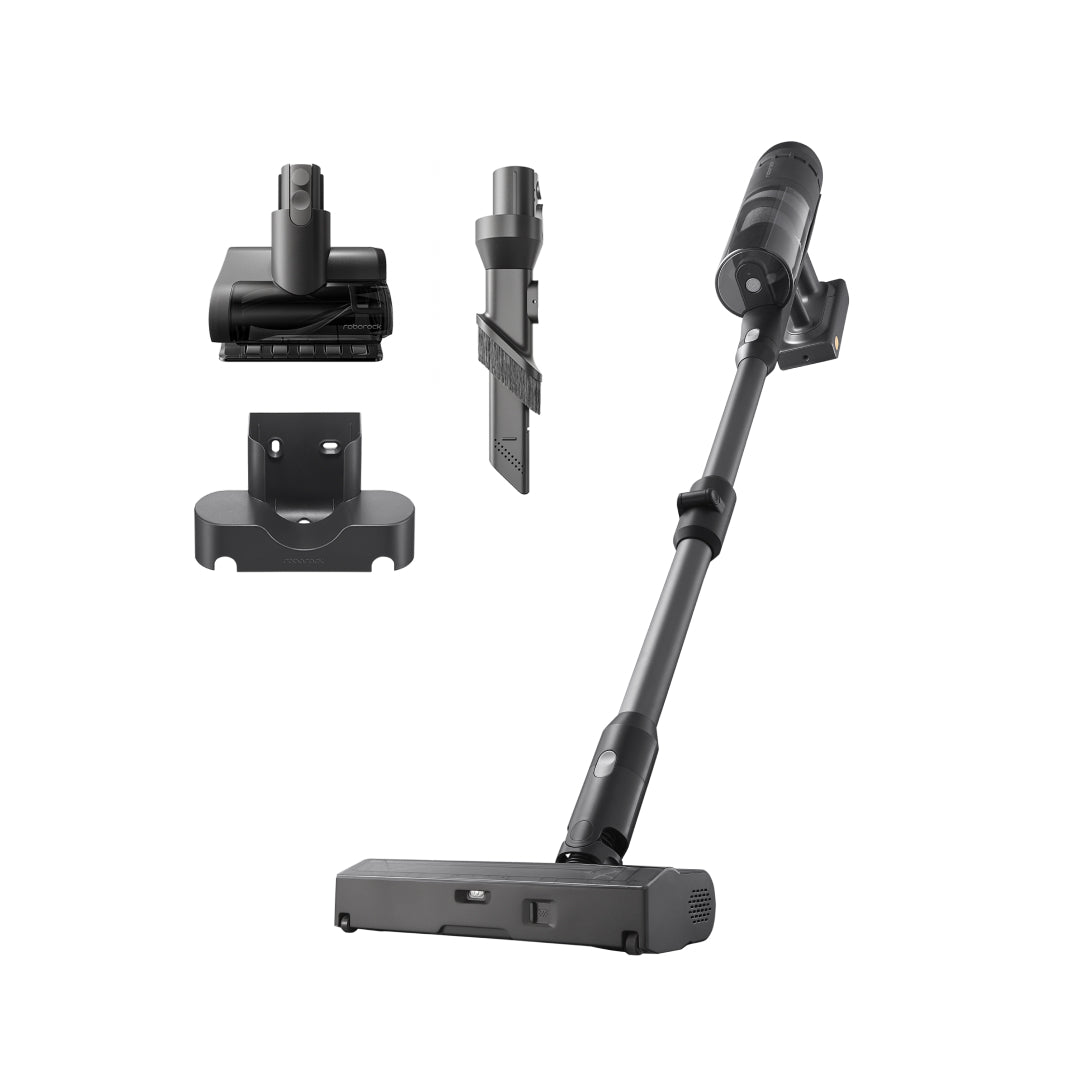
A lightweight cordless stick vacuum is a battery-powered cleaner built around a slim wand and a handheld motor unit, designed for quick, frequent passes rather than whole-house deep cleans. Models in this class trade bin capacity and runtime for low weight — the machines here both sit under 1.7 kg — so they get pulled out for crumbs, litter scatter, and pet hair on hard floors far more often than a heavier upright would. Both the Pure ONE S20 and the H60 are squarely in this class: small bins (0.4–0.49 L), sub-hour runtimes, and HEPA filtration, which matters if the daily debris includes dander.
Spec Table
Spec
Tineco Pure ONE S20
Roborock H60
AIBuyLab Score (v1.0)
4.8
4.1
Suction
100 AW
115 AW
Runtime
55 min
60 min
Dustbin
0.4 L
0.49 L
Weight
1.62 kg
1.68 kg
HEPA filtration
Yes
Yes
App control
Yes
No
Self-empty
No
No
Subscription required
No
No
Warranty
2 years
Not tracked in our catalog
The Numbers Are Nearly a Draw
Start with how close these two machines are. A 0.06 kg weight difference is the mass of a couple of tablespoons of water — nobody's wrist will register it across a ten-minute clean. Five minutes of runtime (55 versus 60) is similarly marginal: if your daily circuit is a kitchen, an entryway, and one hallway, both finish with charge to spare; if you routinely run a stick vacuum until it dies, you have outgrown this class entirely and neither model is your answer.
Where they do separate, the Roborock edges ahead. Its 115 AW is a 15% suction advantage over the Tineco's 100 AW — not a transformation, but on hard floors with heavier debris (spilled kibble, tracked-in grit) the extra air watts are the spec most likely to show up in daily use. Its dustbin is also about 22% larger, 0.49 L against 0.4 L. On a 0.4 L bin, a household with a shedding pet can be emptying every two or three sessions; the H60 stretches that slightly. Neither difference is decisive, but both point the same way: as a purely mechanical cleaning tool, the H60 is marginally stronger.
The App Is the Actual Decision
The Tineco's counterargument is its connected layer. The Pure ONE S20 has app control, which in this product class means the vacuum pairs with a phone app that surfaces the machine's status — battery level, filter condition, and usage visibility — and gives you a settings and monitoring layer the vacuum's own body doesn't. The H60 has no app control at all. There is nothing to pair, no account to create, and nothing to check.
That cuts both ways, and which way depends entirely on you:
If you will open the app, the S20's layer has real value. Filter-maintenance prompts are the clearest case: HEPA filters lose performance as they load up, and a connected reminder is the difference between a filter changed on schedule and one discovered clogged months later. Battery visibility likewise turns "it died mid-clean" from a surprise into a planned charge.
If you will never open the app — and be honest, most stick vacuums get exactly one app install, on day one, never launched again — then the Tineco's headline advantage is worth nothing to you, and you are left comparing hardware, where the Roborock is slightly ahead on suction, runtime, and bin size, with zero accounts attached to any of it.
There is also a longevity angle to connected features in general: an app-dependent product carries an app-maintenance dependency for as long as you own it, while a vacuum with no connected layer has nothing to be discontinued. That is a consideration about the category, not a claim about either brand's plans — and it is one more reason the decision hinges on whether the app earns its place in your routine.
Filtration, Emptying, and Ownership
Both vacuums use HEPA filtration, so allergen capture is not a differentiator here — a genuine plus for the class, since plenty of budget sticks skip it. Neither model self-empties: both bins are emptied by hand, which makes the H60's larger bin a small but recurring convenience and makes bin-emptying frequency a real ownership cost for pet-heavy homes on either machine.
Neither requires a subscription, so there are no ongoing fees to model for either — the running-cost picture is filters and eventual battery wear, neither of which our catalog prices, so we won't invent figures. On warranty, our catalog lists 2 years for the Tineco; the H60's warranty term is not tracked in our catalog, and we flag that as a data gap rather than a demerit — check the manufacturer's current terms before treating it as a deciding factor.
One more score note: the S20's 4.8 versus the H60's 4.1 reflects our Score v1.0 weighing the full tracked record, including the connected feature set. If you strip the app out of your personal weighting — because you know you won't use it — the practical gap between these two narrows to nearly nothing, and tips toward the Roborock.
Verdict
Buy the Tineco Pure ONE S20 if you are the kind of owner who actually uses a companion app: you will check battery status, act on filter reminders, and appreciate usage visibility. You give up a little suction (100 AW vs 115 AW), a little runtime, and a little bin capacity to get that layer, and for an engaged app user the trade is fair. The listed 2-year warranty adds a measure of documented coverage.
Buy the Roborock H60 if the app would be installed once and forgotten. You get the stronger hardware numbers — 115 AW, 60 minutes, a 0.49 L bin — in a machine with no account, no pairing, and nothing connected to maintain, at essentially the same 1.68 kg carry weight. For set-it-down, pick-it-up, never-think-about-it cleaning, it is the more honest tool.
Skip both if you need a self-emptying dock or whole-house runtime; neither vacuum offers the first, and both are built for short daily passes rather than marathon sessions.
FAQ
Which vacuum is lighter, the Tineco Pure ONE S20 or the Roborock H60? The Tineco, by 0.06 kg — 1.62 kg versus 1.68 kg. The difference is real on the spec sheet and imperceptible in the hand; do not choose between these two on weight.
Does the Roborock H60 have an app? No. Per our catalog, the H60 has no app control. The Tineco Pure ONE S20 does, which is the single largest functional difference between the two models.
Which has more suction? The Roborock H60, at 115 AW versus the Tineco's 100 AW — roughly a 15% advantage, most relevant on heavier debris rather than everyday dust.
Do either of these vacuums self-empty or need a subscription? Neither, on both counts. Both bins are emptied manually, and neither model requires a subscription.
How long is the warranty on each? Our catalog lists a 2-year warranty for the Tineco Pure ONE S20. The Roborock H60's warranty is not tracked in our catalog, so verify the current term with the manufacturer before purchase.
Why does the Tineco score higher if the Roborock's hardware numbers are better? Our Score v1.0 weighs the complete tracked record, and the S20's app control and connected feature set count in that record. Buyers who won't use the app should treat the two as effectively tied on hardware — with the H60 slightly ahead.
As of 2026-11-22, we track 13 cordless stick vacuums from 5 brands, scored with Score v1.0 from owner ratings, spec strength and ownership cost. Dreame Z30 leads the list at 7.9/10. Tracked prices run from $130 to $1,100; the full table below is sortable by score and price.

Discussion
No comments yet