Email me when Dreame D30 Ultra drops to my target price. The confirmation includes a manage link — use it any time to list or remove your alerts at Your price alerts. Lowest price tracked so far: USD 409.99 — a target below that is below the historical low and less likely to be reached.
Affiliate disclosure: AIBuyLab may earn a commission if you buy through links on this page, at no extra cost to you. This is a desk-research cost model built from the manufacturer's published specifications tracked on our product pages — we did not hands-on test this robot vacuum, and with one clearly attributed exception we quote no prices: the point of this article is the structure and cadence of the costs, which you can price with current figures from the product page.
TL;DR
The Dreame D30 Ultra scores 8.4/10 in AIBuyLab Score v1.0 — top-decile among the robot vacuums we track — on flagship hardware: lidar navigation, structured-light obstacle avoidance, a rotating-pads mop with 10.5 mm mop lift, 230-minute runtime, multi-floor maps, and a bagged self-empty dock.
Its running cost is a consumables stack, not a subscription: the catalog records no subscription for this model. What you actually pay for over three years is dust bags, mop pads, filters, and brushes — in counts, not dollars, below.
Cadence is everything. A light-use apartment might go through 12–18 dock bags in three years; a pet household running daily cycles can pass 30–39, plus three to four times as many mop pad sets.
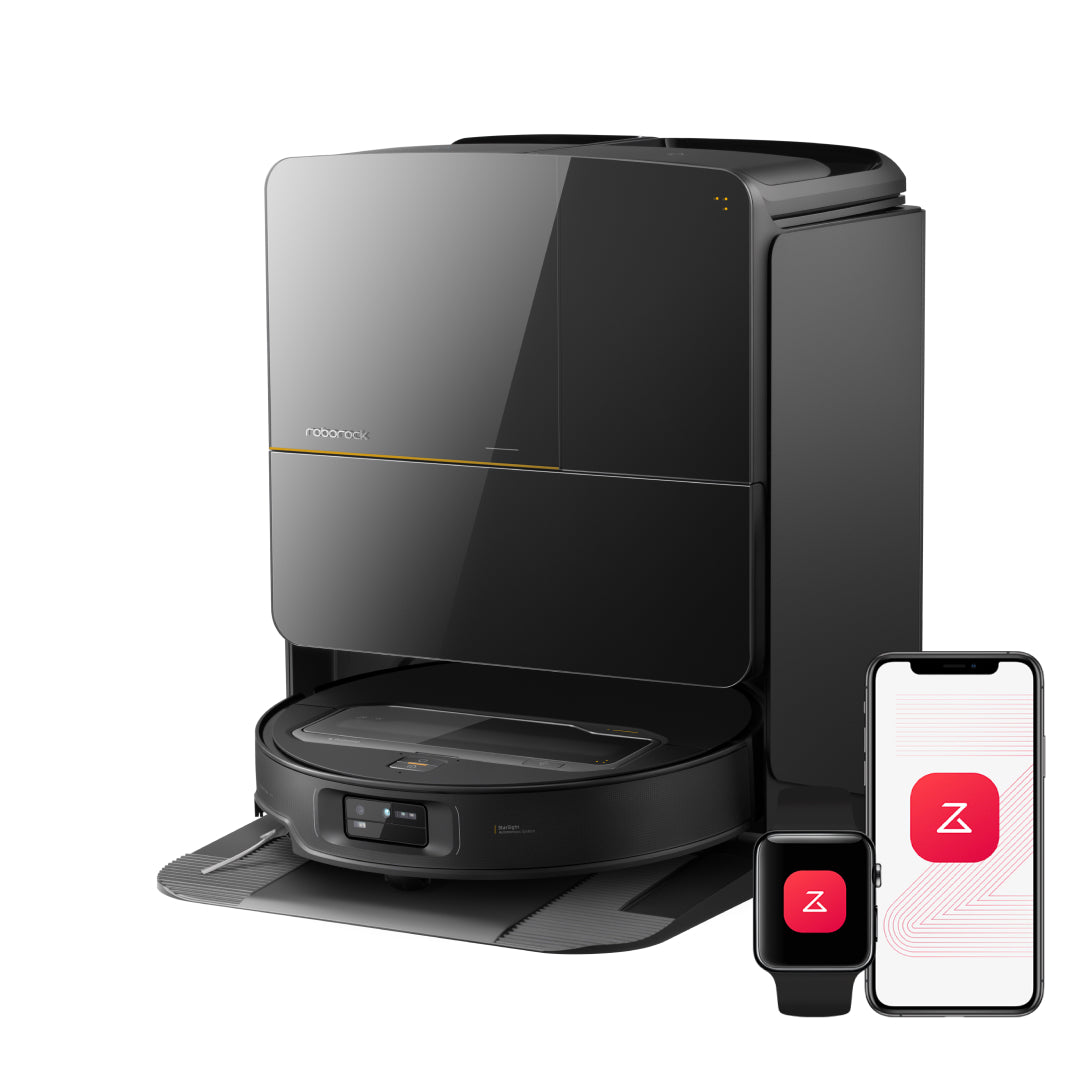
As a priced anchor: our catalog tracks the consumables of a sibling-class bagged machine, the Roborock Qrevo CurvX (Score 5.4/10), at $2.13/month — roughly $77 across three years. The D30 Ultra's stack has the same shape; your mileage scales with how hard you run it.
Verdict in one line: the D30 Ultra's premium is recouped by large homes and daily moppers who actually consume its runtime, maps, and mop — and wasted on small, pet-free, vacuum-only households.
Our pick: Dreame D30 Ultra — check the current price at the retailer.
What the Dreame D30 Ultra actually is
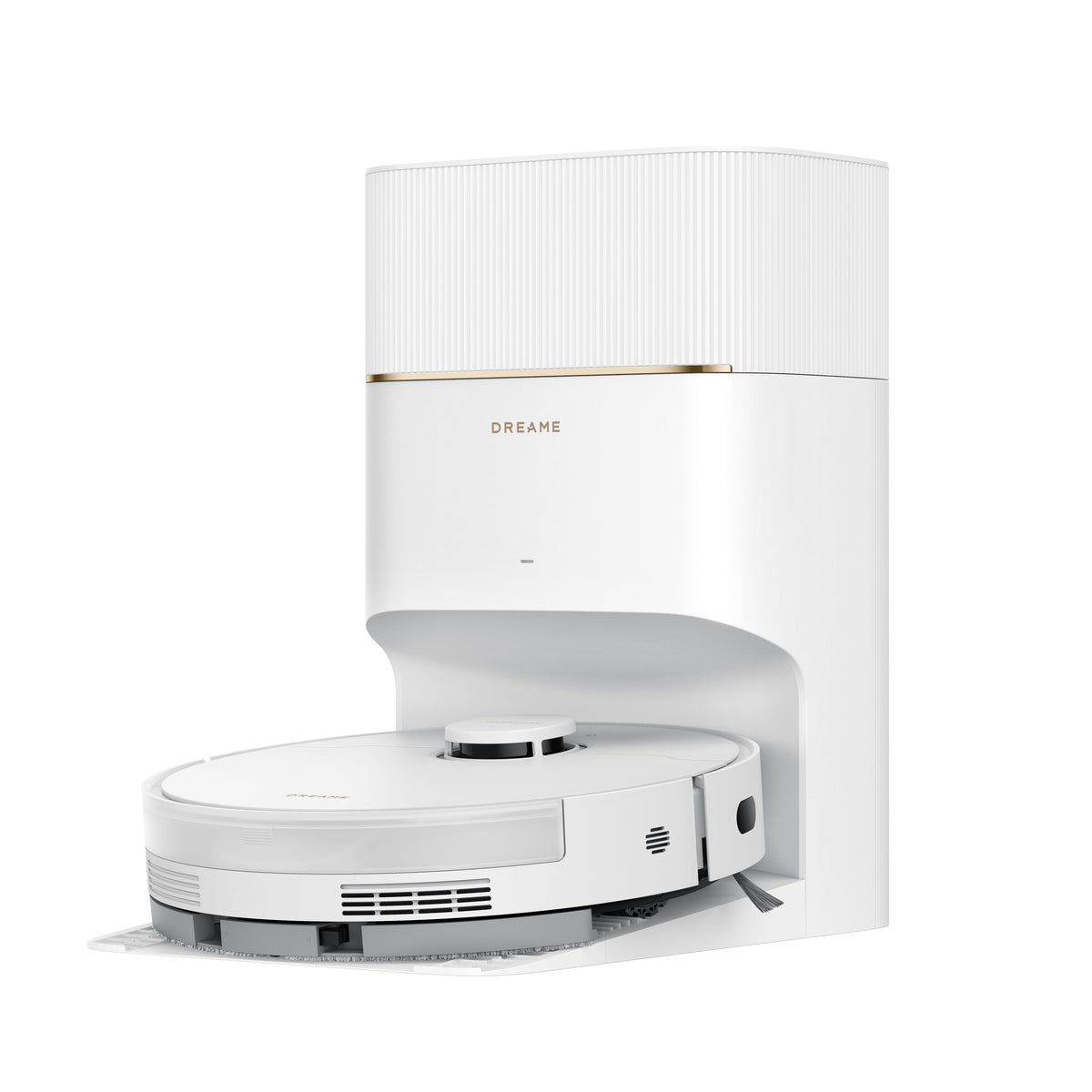
The Dreame D30 Ultra is a flagship robot vacuum-and-mop built around a self-empty dock. Between runs it navigates by lidar, building persistent multi-floor maps, and steers around obstacles with structured-light sensing rather than a bumper alone. For wet cleaning it presses rotating mop pads to the floor — a scrubbing motion rather than a dragged cloth — and lifts them 10.5 mm to cross onto carpet without soaking it. When it returns to the dock, debris is pulled into a sealed dust bag, which is why this class of machine is often chosen by households that want the dirt contained rather than shaken out of a bin.
The endurance figure matters for the cost model: a 230-minute runtime means the D30 Ultra is built for large floor plans and long daily cycles, and every one of those cycles consumes a little of the parts this article counts. On our product page for the Dreame D30 Ultra, that hardware combines into an AIBuyLab Score v1.0 of 8.4/10. For contrast, the Roborock Qrevo CurvX — same bagged-dock architecture, tracked at 5.4/10 — shows what the mid-tier version of this ownership shape looks like. The score gap is hardware. The cost gap, as we will see, is mostly cadence.
The 3-year cost model: a stack of wear parts
Because we do not quote prices in this model, every figure below is a count — bags per year, pad sets per year — that you can multiply by whatever the parts cost where you buy them. The cadences are planning estimates derived from how this class of machine is used, not manufacturer figures: your floor area, flooring mix, pets, and cleaning schedule will move the real numbers, which is exactly why the model is split by household type.
The four line items
1. Dock dust bags — the metronome. A bagged dock converts debris volume into bag swaps. Hair and pet dander fill a bag far faster than the fine dust of a pet-free apartment, so bag cadence is the single most household-dependent number in this model. Planning estimates: roughly monthly swaps in a busy family or pet home, stretching to every two to three months in a small, pet-free flat.
2. Mop pads — the daily-mopper's tax. Rotating pads do the scrubbing, so they take the wear: grit ground into the fibres, edges fraying, pile flattening until the pad smears instead of scrubs. Owners who mop daily typically rotate pads for washing and replace sets several times a year; weekly moppers may get a year from a set.
3. Filters — the slow clog. The dock and robot filters load gradually. A loaded filter does not stop the machine; it quietly taxes suction and makes every other part work harder. Planning cadence is one to two filters per year depending on dust load.
4. Brushes — the contact parts. The side brush's bristles splay and curl first; the main brush wears at its ends and wraps with hair. In hard-use homes, plan on roughly one main brush and one to two side brushes per year; light-use homes can stretch both further.
Cadence table: three households, three years
Consumable (3-year totals)
Small flat, no pets — vacuum 3×/wk, mop weekly
Family home — vacuum daily, mop 2–3×/wk
Pet household — vacuum + mop daily
Dock dust bags
~12–18
~24–30
~30–39
Mop pad sets
~3
~6
~9–12
Filters
~3
~3–6
~6
Main brushes
~2
~3
~3
Side brushes
~3
~3–6
~6
Read the table as a multiplier on your local parts prices. The one priced anchor we can offer from our own tracking: the Roborock Qrevo CurvX, a bagged self-empty model in the same class, carries catalog-tracked consumables of $2.13/month — about $77 over three years. The D30 Ultra's stack is structurally the same four line items; a light-use owner should land in that neighbourhood, while the pet-household column, with two to three times the bag and pad throughput, should budget proportionally more. What neither column contains is a subscription line: the catalog records no subscription for the D30 Ultra, so the recurring bill is entirely physical parts you can shop around for.
What wears out when — and what it does to performance
The wear order is consistent across this class. Side brushes and mop pads go first, because they are soft parts in constant floor contact. Filters degrade silently — there is no failure moment, just a slow slide in pickup that owners often misread as the robot "getting worse." Main brushes wear at the bearing ends and lose their seal against the floor. Bags do not wear at all; they simply fill, and an overfilled bag is the one consumable that degrades the dock itself, choking the self-empty suction the whole system depends on.
Two flagship features interact with the wear curve. The 10.5 mm mop lift spares carpets a soaking, but homes with constant hard-floor-to-carpet transitions cycle the lift and drag pad edges across thresholds all day — expect the faster end of the pad cadence range. And the 230-minute runtime is a buffer against the one wear item not in the table: the battery. Any lithium pack cycled daily loses some capacity over three years; starting from 230 minutes means the D30 Ultra can shed run time for years before a mid-clean recharge becomes a practical problem in all but the largest homes. The spec you overbuy on day one is, in this case, the spec that ages best.
Verdict: who recoups the premium, who overbuys
The D30 Ultra pays for itself in use if you are: a large or multi-floor household that genuinely consumes 230 minutes of runtime and multi-floor mapping; a daily mopper, for whom rotating pads are a working tool rather than a brochure feature — and who accepts the pad cadence in the right-hand column above as the price of that; or a pet household that values a sealed-bag dock and runs the cycles that fill it.
You are overbuying if you are: a small, pet-free apartment, where the runtime and maps sit idle and the bag cadence is so low the dock's premium never amortises; a vacuum-only household that will rarely wet the pads, paying flagship money for a mop stack it does not use; or an owner who will not keep up with pads and filters — a neglected flagship slides toward mid-tier performance, which is the one outcome the Dreame D30 Ultra's 8.4/10 score cannot protect you from.
The honest summary of the 3-year cost: the D30 Ultra is expensive to buy and ordinary to run. Its consumables stack is the standard four line items of any bagged mop flagship, with no subscription attached, and the totals above are driven by your household, not by the badge on the dock. Buy the cadence you will actually live at — not the one in the brochure.
Does the Dreame D30 Ultra require a subscription? No. Our catalog records no subscription for this model; app control, mapping, and scheduling carry no recurring fee. The only recurring costs are physical consumables: bags, mop pads, filters, and brushes.
How often will I change the dock bag? It depends almost entirely on debris volume. Planning estimates: every two to three months in a small pet-free home, roughly monthly in a family home, and potentially more often with heavy-shedding pets — about 12–18 bags over three years at the light end, 30–39 at the heavy end.
How does its running cost compare with the Roborock Qrevo CurvX? Our catalog tracks the CurvX's consumables at $2.13/month, roughly $77 over three years, and the D30 Ultra consumes the same four categories of parts in the same dock architecture. The two machines differ mainly in hardware — 8.4/10 versus 5.4/10 in AIBuyLab Score v1.0 — not in the shape of their running costs. Price the D30 Ultra's counts in the table above at your local parts prices for a like-for-like figure.
What wears out first? The soft contact parts: side-brush bristles splay and mop pads lose their scrubbing texture first, followed by gradual filter loading. The main brush wears more slowly, and the dust bag does not wear — it fills, and stretching a full bag is the fastest way to degrade the dock's self-empty performance.
Is the flagship premium worth it for a small apartment? Usually not. A small, pet-free flat cannot use the 230-minute runtime or multi-floor maps, generates the lowest bag cadence in our model, and leaves the rotating-pads mop — a core part of what the premium buys — mostly idle. The same money goes further in a mid-tier machine whose consumables you will actually cycle at the rate it was designed for.
Why does this article count parts instead of quoting a total price? Because part prices vary by retailer and region, and a total built on prices we invented would be fiction. The counts — bags, pad sets, filters, brushes over three years — are the durable part of the model; multiply them by the prices on the product page and you have your number.
Last updated: November 27, 2026
Changelog
November 27, 2026 — Added retailer buying links (Our pick and Where to buy) for the products covered in this article.
Related in this category
Smart Cleaning · Robot Vacuums · Updated Nov 22, 2026
As of 2026-11-22, we track 34 robot vacuums from 7 brands, scored with Score v1.0 from owner ratings, spec strength and ownership cost. Dreame D30 Ultra leads the list at 8.4/10. Tracked prices run from $120 to $1,700; the full table below is sortable by score and price.

Discussion
No comments yet